
Sign Newsday’s Virtual Yearbook
What advice would you give the class of 2020?
Find your
school’s quotes
What advice would you give the class of 2020?
Find your
school’s quotes

In the past few years, Long Island has gained a white-hot roasting culture to complement its already sprawling web of comfy coffee shops. Here are some great places to get your caffeine on.
Compiled by Corin Hirsch
Illustrated by Neville Harvey

Chill on a couch with a frappe and a game of Uno or indulge in luxe desserts inside this café with living-room vibes. There’s also an outdoor patio.
3268 Railroad Ave., Wantagh
516-826-9533Owner-roaster Arsalan Pourmand roasts single- origin beans inside this cheerful, slightly retro café, and constantly pushes the envelope with innovative drinks as well as robust cold brew.
211 Main St., Farmingdale
516-586-8979 https://www.fluxcoffee.com/This stylish café has a few tables and a sleek counter for diving into espresso and pourovers from house-roasted beans. Bites include salmon gravlax tostadas and dolsot bibimbap, a Korean rice dish served in a stone bowl.
292 Plandome Rd., Manhasset
516-918-9488 http://forfivecoffee.com/Owner Bryan Baquet’s roasted beans can be found across Long Island. Chemex, AeroPress, French press, cold brew and nitro brew, it’s all here. Other location: Boardwalk at 1 National Blvd.
151 E. Park Ave., Long Beach
516-605-2370 http://www.gentlebrewcoffee.com/Glass cold-drip contraptions create a lablike vibe inside this rustic spot, which is presided over by longtime roaster Georgio Testani and his wife, Lydia. Their house brews are the bar against which many others are measured.
1965 New Hwy., Farmingdale
516-238-2999 https://www.georgioscoffee.com/This was one of the OG coffee cafés, opening near the Rockville Centre LIRR station in 2007. The bigger, brighter Malverne place is less than a year old; pastries, some baked in-house, are sold at both spots.
324-A Hempstead Ave., Malverne
516-218-2258 https://www.kookaburracoffeeny.com/Owner and lifelong roaster Mitchel Margulis churns out robust blends, including one for nitro cold brew; pastries and savory lunch items come from area bakeries and artisans.
170 Michael Dr., Syosset
516-584-6464 https://www.shop.mongoscoffee.com/This cozy Wantagh café has a a prime location near the Wantagh LIRR station. Beans come from a Brooklyn roastery, and muffins are ornate. Other location: 318 Sunrise Hwy., Rockville Centre
1887 Wantagh Ave., Wantagh
516-785-5000 https://www.pipelinecoffeecompany.com/Inside the subway-tiled interior is a mellow vibe and medium-bodied house roast (beans are roasted elsewhere), as well as cappuccino, chai tea lattes and syrups and nut milks galore.
196 2nd St., Mineola
516-280-4082 https://www.urbanbrewco.com/Owner Aldo Maiorana has been roasting his own beans since 1987. While you can find them in many restaurants, the café offers an atmospheric setting for sipping.
103-105 Front St., Greenport
631-477-6300 https://aldos.com/A bleached-wood aesthetic and a few tables set the stage for a busy trade in mostly takeout coffees (beans are roasted out back), plus smoothies, acai bowls and pastries from area bakers.
775 Deer Park Ave., North Babylon
631-314-4073This no-frills yet charming spot serves inner central Suffolk with ornate specialty lattes (think s’mores or Junior Mints melted into espresso) as well as hot chocolate, breakfast biscuits and other treats.
226 Middle Country Rd., Selden
631-846-1966 https://coffeebooths.business.site/This chic and comfy coffee and tea shop across the parking lot from the Bay Shore LIRR station brews beans from across the world—served as pourovers—as well as multiple kinds of cold brew.
1 Railroad Plaza, Bay Shore
631-206-1616There is a full lineup of espressos and their caffeinated cousins, and some of the pastries are baked on the premises. Three other locations: Water Mill, Southampton (home to the roastery) and Aquebogue
194 Mill Rd., Westhampton Beach
631-288-4480 http://hamptoncoffeecompany.com/The funky, slightly industrial café swarms with students, tourists and others thirsty for robust house roasts, smoky 22-hour cold brew and tea lattes, as well as pastries, pancakes and savory snacks.
106 E. Main St., Port Jefferson
631-509-0627 https://www.cafelocals.com/This homey Southold spot owned by Jennilee Morris and Jess Dunne is an oasis on cold winter days and, when summer rolls around, pours an inky 16-hour cold brew.
55795 Main Rd., Southold
631-876-5450 https://www.noforoastingco.com/This Main Street roastery-café has been caffeinating Patchogue since before its current food renaissance. Options include single-origins and a Brazilian-based cold brew.
41 E. Main St., Patchogue
631-627-3966 https://roast.coffee/Cortados, Americanos and chai lattes share the bill with South-Fork-esque smoothies and “detoxing” charcoal drinks. Food comes in the form of pizza, acai bowls and more.
78 Main St., Sag Harbor
631-725-8696Owner Ibrahim Sergi is a former philosophy teacher turned roaster and relies on Colombian beans for his house roast and related espresso, cappuccino and the like.
780 Sunrise Hwy., West Babylon
631-526-9982 http://sergicoffee.com/There’s often a wait for both counter and tables inside this funky, full-service restaurant, where nitro cold brew is on tap and the beans are from Stone Street Coffee Co. in Brooklyn.
556 Route 25A, St. James
631-250-9238 https://soulbrew.coffee/This tiny café has a retro-chic feel and some of the most finely tuned coffee on the Island; owner Mark Boccard earns awards for his roasting juju. Other location: 49 Audrey Ave., Oyster Bay
210-B Wall St., Huntington
https://www.southdowncoffee.com/Owned by culinary-school graduates and as cozy as it comes, Tend brews from organic beans roasted in the back on a Loring Smart Roast machine.
924 Montauk Hwy., Shirley
631-772-4707 https://tendcoffee.com/When it comes to having a baby on Long Island, many parents-to-be have questions about where to deliver their little one. To help make things easier, we went to 14 Long Island hospitals offering labor and delivery and asked the top questions to make sure expectant moms and dads learn everything they need to know before welcoming their newborn. Below are the answers, directly from the hospitals.
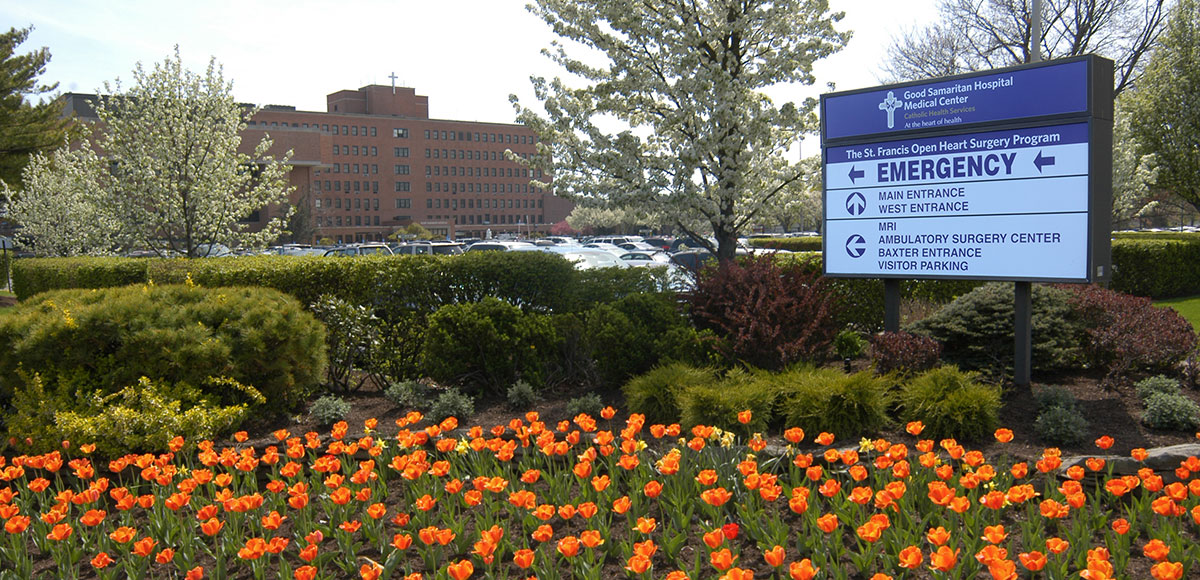
Good Samaritan Hospital has seven private rooms that are available to our patients at no extra charge. There are six additional private rooms on our newly refurbished maternity wing that cost $225 per night. These rooms include television and phone service, complimentary meals for the patient and their significant other, as well as other amenities, such as a small fridge and a hair dryer.
Good Samaritan offers a robust perinatal education program for parents and parents-to-be. It starts with an Early Pregnancy class to prepare the expectant couple for what lies in the months ahead. We offer a comprehensive Childbirth Preparation course (Lamaze) to educate and prepare first-time parents. A shorter “refresher” course is available to remind parents of the breathing, relaxation and labor support techniques they learned from their first birth. There are also individual classes, which cover preparing couples for baby care and an introduction to breast-feeding. There’s a big brother/Big sister class to help prepare children for the new addition, as well as a grandparents class with information on advances in child care and how to baby-proof your home. Additionally, there are classes to offer assistance once your baby arrives. This includes a support group for women who are experiencing depression or anxiety during pregnancy or after birth. We also offer a Breast-feeding Café, New Mother’s Support Group, infant massage classes and breast pump rentals.
After welcoming their baby into the world, new parents at Good Samaritan can announce their bundle of joy to the entire hospital by pushing a button in the delivery room that plays a lullaby throughout the building. We recognize the first boy and girl born each year at Good Samaritan with two gift baskets from local businesses filled with goodies for the parents and their newborn. On Mother’s Day, we recognize all of our new moms with flowers and a special commemorative Mother’s Day poem. During Easter, Halloween and Christmas, our volunteers make soft, cuddly eggs, pumpkins and stockings to swaddle our holiday newborns.
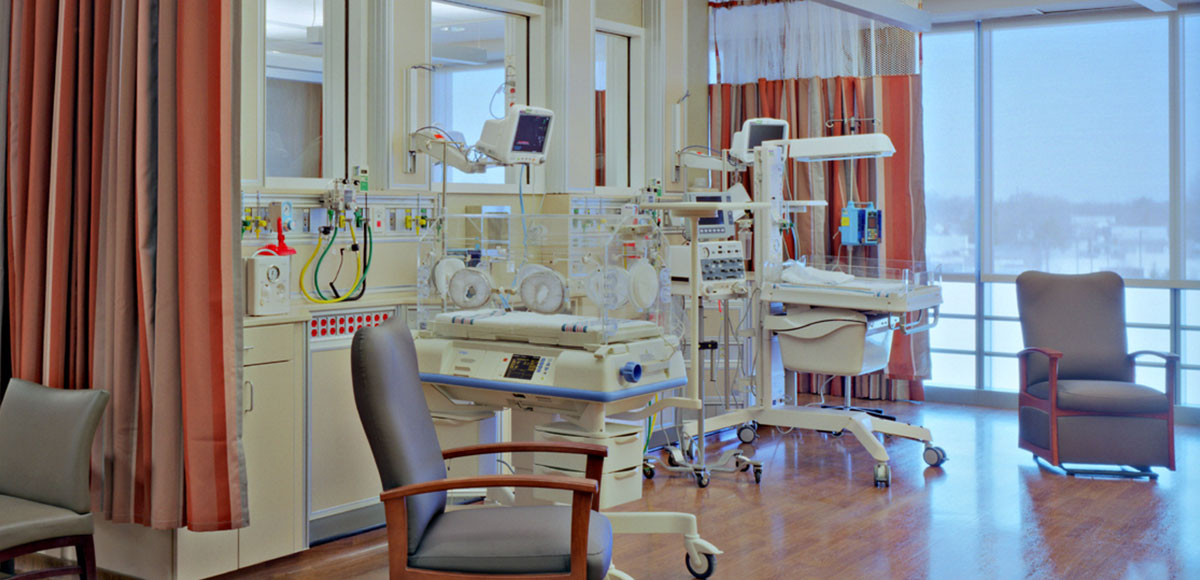
Yes, we have a Level III NICU as designated by the New York State Department of Health. It is the largest neonatal center on the South Shore of Long Island, treating approximately 500 infants each year. The 16-bed facility provides a broad spectrum of specialized multidisciplinary intensive care services for infants as young as 23 weeks and as small as 1 pound at birth. A neonatologist is in the hospital 24 hours a day, seven days a week to attend to all high-risk deliveries, provide medical care, and support infants and their families.
Yes, there are seven labor and delivery rooms, in addition to two operating rooms dedicated to the unit. There are also seven antepartum beds and three beds for triage.
Doulas are welcome at Good Samaritan and allowed to serve as labor support. Midwives are not permitted.
Good Samaritan maintains an infant alarm system to keep our tiniest patients and their families safe.
At Good Samaritan, 100 percent of maternity nurses are certified breast-feeding counselors. Additionally, we have several full and part-time international board-certified lactation consultants who are available to answer any questions and assist with techniques as you develop a bond with your newborn. Good Samaritan was one of two Long Island facilities recognized by the International Board of Lactation Consultant Examiners (IBLCE) and the International Lactation Consultant Association (ILCA) for excellence in lactation care. While we offer a wide range of services and resources geared toward breast-feeding, we also understand that every family has different needs. As a result, we also offer services and resources to assist new parents with bottle-feeding and supplementation.
While we try to accommodate families who want to capture those priceless moments in the delivery room, patient safety is our primary focus. Photographs are allowed at the discretion of the attending physician; however, videotaping is prohibited. Following the delivery, once the family is safe and healthy, our staff is always willing to assist (and participate!) in family pictures. There is also a newborn photography company available at the hospital.
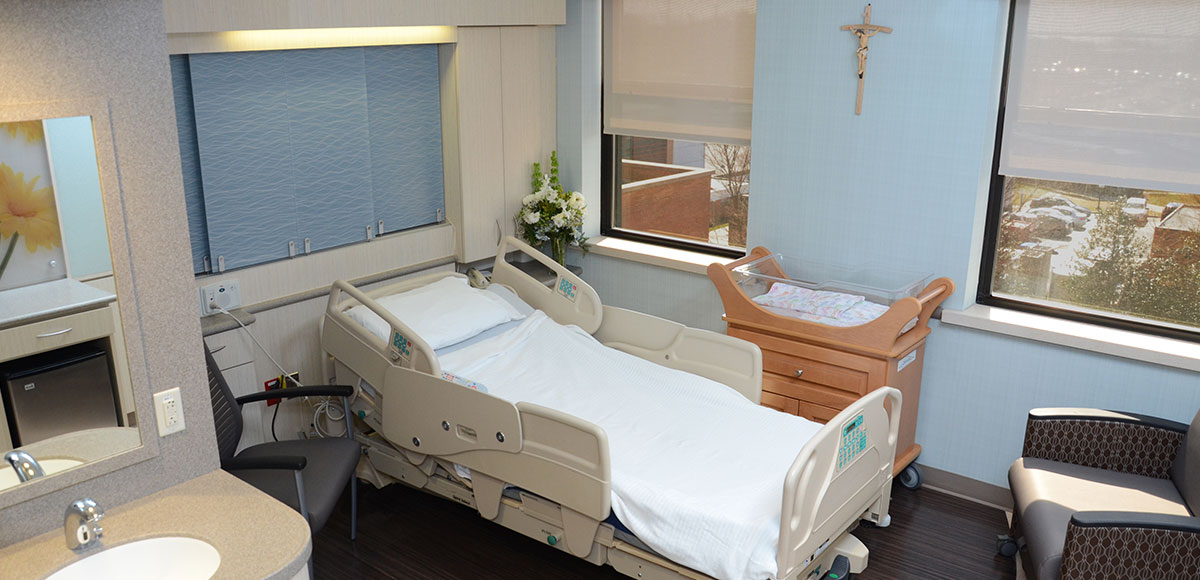
At Good Samaritan, we offer a peanut ball to expectant mothers who would like assistance during labor. This small therapy ball helps to shorten the first and second stages of labor while also decreasing C-section rates.
Yes, free tours are offered by members of our perinatal education team.
Cord blood banking is available to patients at Good Samaritan. This can be coordinated through their OBGYN using an outside vendor.
While we don’t offer any specific “swag bags” to patients when they are discharged, we do provide several complimentary items, including sample products, to families during their stay with us.
We recommend visits for siblings who are 2 years and older, but welcome children of all ages. Partners are permitted to sleep at the hospital if their significant other is in a single patient room.
Visiting hours are from 3:30 p.m. to 5 p.m. However, we understand that babies arrive at all hours of the day and night, so we’ll work to provide flexible visiting hours for families who wish to see their loved ones.
The primary C-section rate for first-time patients at Good Samaritan is 24 percent. The overall rate, including repeat C-sections, is 47 percent.
At Good Samaritan, 86 percent of mothers breast-feed or incorporate breast-feeding into their daily feeding routines, while 14 percent exclusively use formula.
Good Samaritan does not track the rate of episiotomies. We encourage patients with questions regarding episiotomies to consult with their OBGYNs.
A nursery is available to our patients, but at Good Samaritan we strongly encourage and promote mother/baby couplet care, which allows for new parents to bond with their infants as they sleep in the same room.
The average length of a postpartum stay at Good Samaritan is two days for a vaginal delivery and four days for a C-section.
Good Samaritan is the only hospital on Long Island with NICVIEW cameras, which are 10 different cameras providing password-protected livestreaming video to connect babies in the NICU with parents, grandparents and other relatives looking to peek in on their little loved one’s progress. This innovative technology will enhance the parent-infant bonding experience and family-centered care, even when the parents cannot be at the baby’s bedside. While the arrival of a new family member is an exciting and emotional event, the staff at Good Samaritan also recognizes that the loss of a baby, whether in-utero or soon after birth, is the most heart-wrenching experience a parent can encounter. The perinatal bereavement program has been recognized for best practices at facilities across the country. In addition, many staff members are certified perinatal bereavement facilitators. In an effort to offer families an opportunity to love, celebrate and grieve for their baby in a supportive environment, Good Samaritan started “Emily’s Gift,” a program to ensure that services are consistently provided to bereaved families through a collaborative and holistic approach. A recent addition to the bereavement program is “Gabriel’s Courage,” which provides in-utero hospice or palliative care for the imperiled newborn, encompassing all perinatal bereavement services. This allows women who are given a critical fetal diagnosis the opportunity to be supported by a team of pediatric specialists, care management professionals and pastoral care staff to find the best way to support the baby and family.
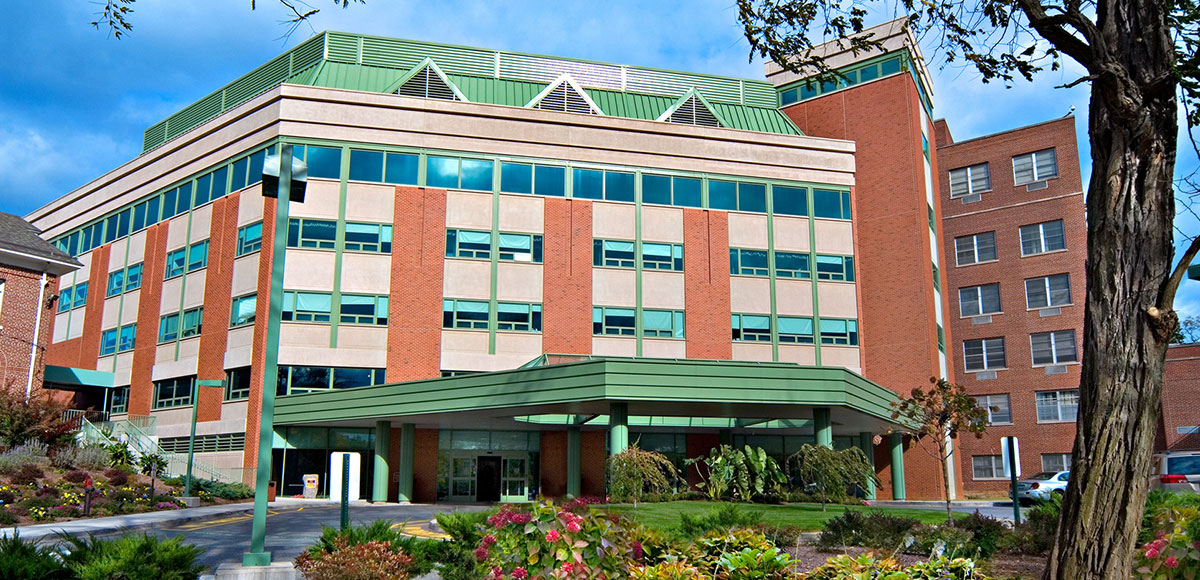
We have 19 private post-partum rooms and there is no additional fee. All have private bathrooms and a sofa bed for significant others.
Prenatal classes are offered including a labor class, breast-feeding, newborn care, infant CPR and a sibling class.
Patient and significant other are given a steak and lobster special dinner the night before discharge. Professional photos of baby are offered for a fee.
We have nine bed Level II Neonatal ICU, which includes 24/7 in-house neonatology services.
Our Labor and Delivery suite contains seven beds in individual rooms with private bathrooms.
We have four full-time midwives who assist on Labor and Delivery, and who also have their own private practices as well. We allow patients to make private arrangements to have a doula attend their labor and delivery.
We have a state-of-the-art Divergent infant security system in place to assure infant security and safety.
We have a full-time lactation consultant and all our maternity nurses are trained to assist our patients with their breast-feeding goals. We also have a breast-feeding support group.
Photography is allowed during the birth process. Videography is not allowed. We also have a private professional infant photo service available in house for a fee.

We offer birthing balls, aromatherapy and ambulatory fetal monitoring.
Maternity wing and Labor and Delivery tours are available on a regular basis and private tours can be arranged on a case by case basis.
We offer patient arranged private cord blood banking.
No swag offered at this time but it is in the works.
Siblings are allowed to visit. All maternity rooms have a sleeper sofa for significant others to allow them to stay with the new moms. We offer couplet care that allows for a family centered experience.
There are no limitations for visiting hours and family can visit any time at the mother’s request.
Our C-section rate overall is 38 percent, which includes primary and repeat C-sections.
Our exclusive breast-feeding rate is 33 percent.
Less than 10 percent.
We have couplet care where the baby stays with the mother at all times unless the mother requests the baby to be watched temporarily in our new well baby nursery.
An average postpartum stay is two days for a normal vaginal delivery and three days for a C-section.
Huntington Hospital is a four time Magnet nursing facility. It’s the highest ranked community hospital in New York State as awarded by the U.S. News and World Report. Our Labor and Delivery nurses are all maternity certified. We have full-time in-house OB anesthesia.
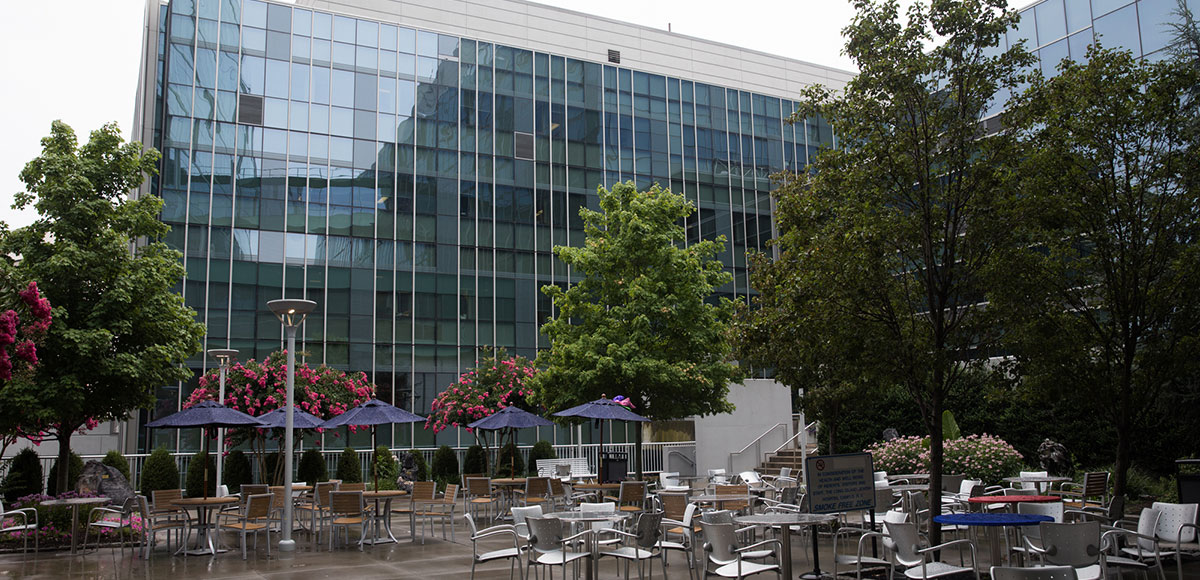
Yes, all rooms are private.
Prenatal classes are held monthly and include labor & delivery/postpartum, breast-feeding, newborn infant care, infant CPR, as well as a sibling class.
At LIJ, we create a special keepsake footprint sheet. We do have two rooms that have Jacuzzi tubs for early labor pain management. We have a discharge class, which allows for our new families to interact with one another and ask questions in a group setting. We are also pursuing baby-friendly designation, which allows for a family-centered approach of non-separation of the newborn and family.
We have a Level III NICU as Cohen Children’s Medical Center is attached to our facility.
We have six triage rooms, seven PACU recovery spots, four operating rooms and 14 L&D rooms, which are all private.
We encourage the patient to have whatever support system they desire at the bedside, whether that be family or doulas. This is, however, coordinated by the patient prior to arrival to our unit. We currently do not have any midwives who practice at LIJ.
We have a vigorous process when first entering our building, where ID is checked and photo identification is given to all visitors. We have an infant tag security system in place to assure safety.
All of our OB nurses have specialized breast-feeding education. Many of our nurses are certified breast-feeding counselors. We also have international board-certified lactation consultants on staff. Our hospital supports practices that have shown to increase breast-feeding success and duration (skin-to-skin, rooming in). Our hospital supports a mother’s feeding choice, and if it is formula, she will be showed how to safely feed and prepare formula. We have prenatal breast-feeding classes for parents who are expecting, inpatient breast-feeding classes and or/individual consults available, and breast-feeding support after discharge (warm-line and support group).
Photographing is allowed in our birthing suites and in the privacy of patient rooms; however, no video is allowed during delivery. We do have a third-party service by Mom365 to shoot newborn photos or post-partum for an additional cost to the patient paid directly to the company.
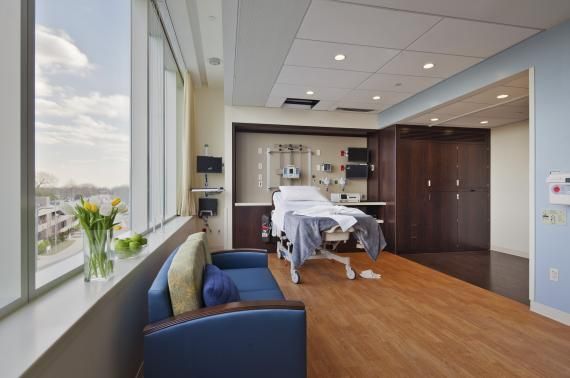
We have body pillows and two rooms have Jacuzzi baths.
No.
We have both options of a public banking system Monday through Friday, as well as allow patients to use private companies. Patients and families who want to bank privately need to coordinate with the third party prior to admission to the hospital.
No.
Siblings, families and friends are allowed to visit upon mother’s request. We allow for one individual of choice to stay overnight and provide a sofa for sleeping. If the newborn is in the NICU for any reason, we allow children 15 years or older to visit. If it is a sibling of the newborn in the NICU, we allow children 3 years and older; however, documentation from the child’s doctor with proof of immunizations is required.
We request limited visitation after 9 p.m. to encourage rest for our mothers and new families.
Our C-section rate is 33 percent.
We currently have a 35 percent exclusive breast-feeding rate.
Long Island Jewish does not track the rate of episiotomies.
Yes. We encourage rooming in at all times and educate all our patients and their families of the benefits.
An average postpartum stay ranges from two to four days based on the mode the delivery.
Family-centered approach to care for all women’s health. LIJ is a designated Magnet facility, a designation that was earned through quality patient outcomes and outstanding nursing care.
Yes, we do. They are free of charge.
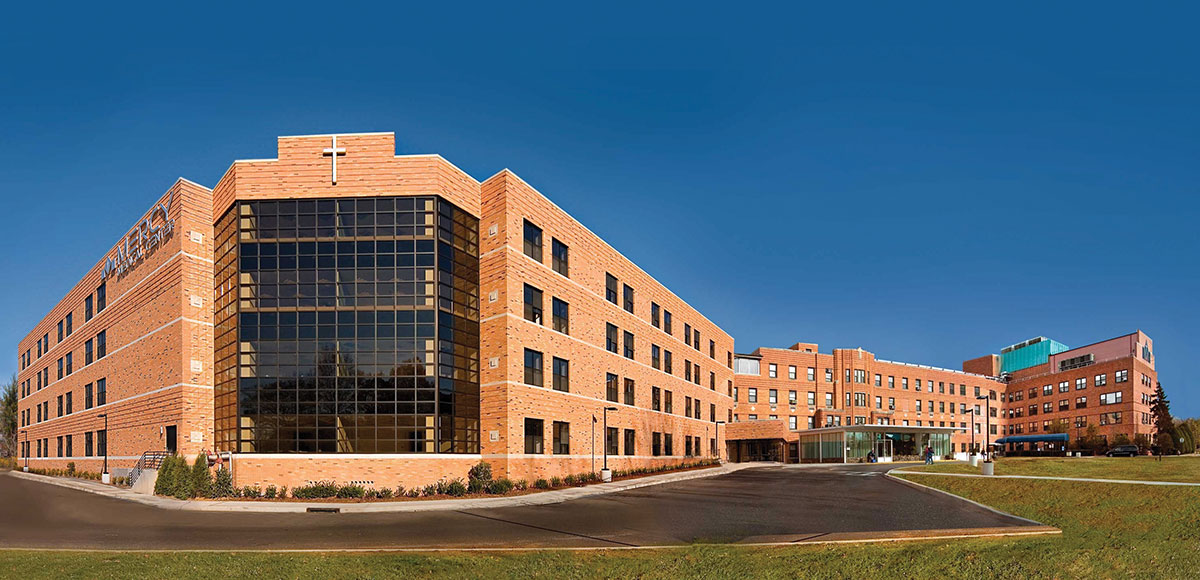
Mercy offers childbirth education classes, maternity tours, as well as infant/child CPR. All of the classes are offered monthly. The hospital offers a breast-feeding support group, led by certified lactation specialists, that meet monthly. Those meetings are available to all, regardless of where the baby was born.
We play Brahms’ Lullaby when each baby is born. We also offer a celebration dinner to all patients and have a continental breakfast each morning in the mother/baby unit bistro.
Mercy has the only Level III NICU on the South Shore of Long Island. It features 15 beds, a NICU parent room and a pumping room.
Yes.
Yes.
The mother/baby, NICU and delivery room are all locked units. All maternal child staff have color coded IDs and Kelly security tags are used on all newborns.
Many of our nurses are certified breastfeeding coaches. We also have a lactation specialist on staff. We support breast-feeding and are striving to become breast-feeding friendly.
Yes, we offer a newborn photographer, Mom365, for a cost if the parents would like to use the service. Videotaping of the birth is not allowed.
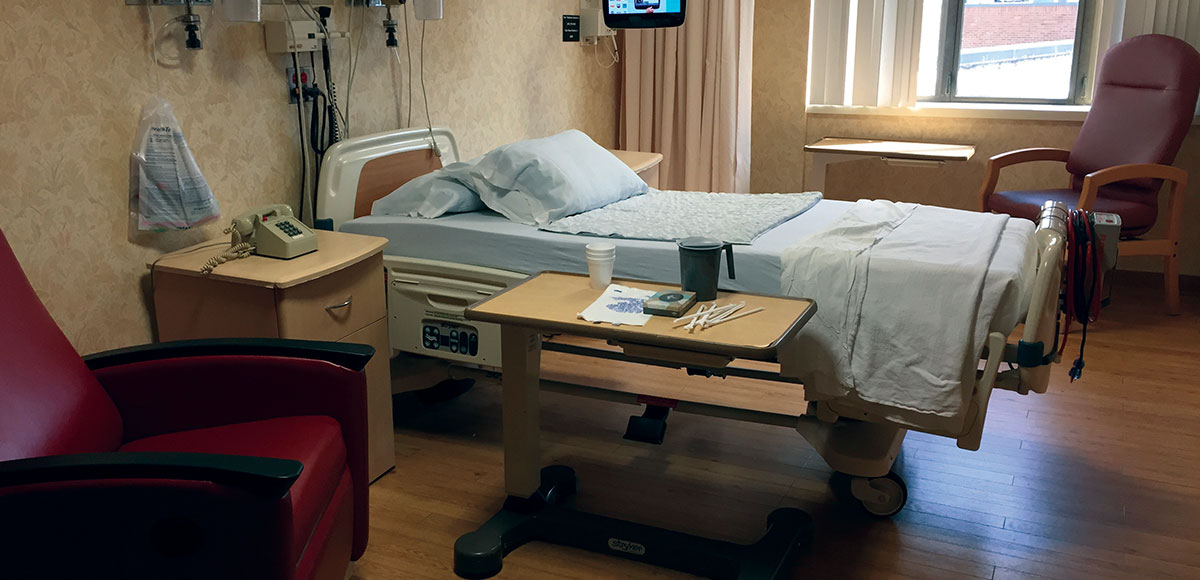
No.
Yes, Mercy offers a monthly tour. Private tours are given upon request.
No, only private banking.
An infant T-shirt, “I am a Mercy Star,” is given upon discharge.
Yes, and spouses can stay overnight if they want.
We have open visiting hours on the mother/baby unit. In the NICU, grandparents must be accompanied by a parent and only two at a time at the bedside.
Approximately 30 percent.
30 percent exclusively breast-feeding, 85 percent breast and bottle.
Mercy does not track the rate of episiotomies.
We promote full rooming in.
Two to four days, depending on delivery type.
We have NICU Knowledge software for the hospital’s NICU. The project enables parents of babies spending time in the NICU to learn about the special needs of their infants. Delivered via tablet, parents learn about feeding, bathing, identifying distress and other issues. NICU Knowledge is available in a variety of different languages and is an essential source of parental education for the community. And, we offer donor breast milk for babies in the NICU who meet criteria.
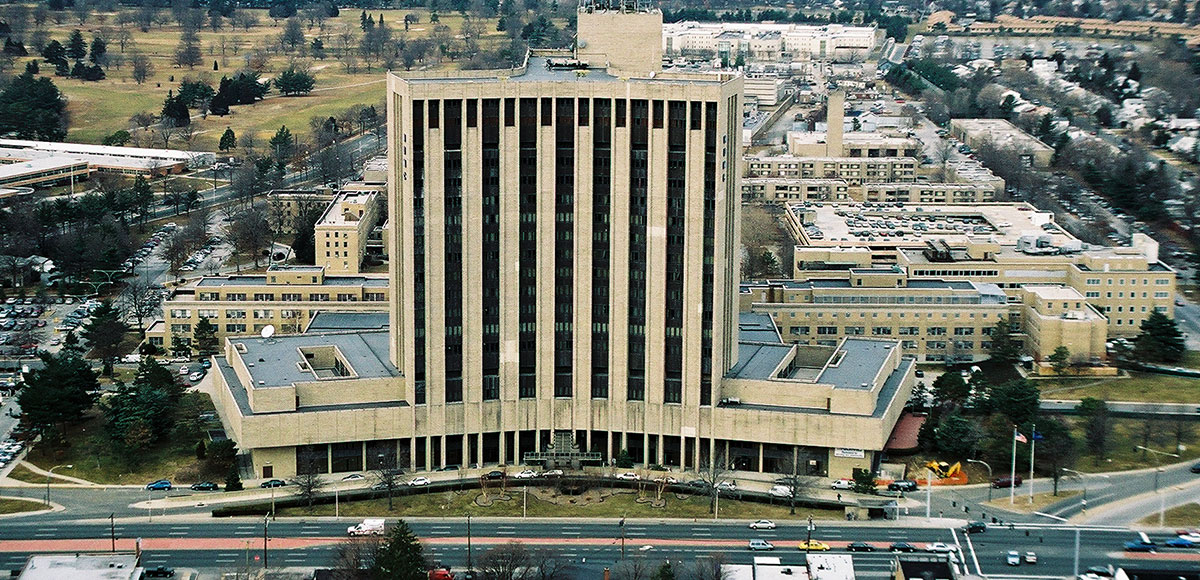
Yes, on first-come, first-served basis at no extra charge.
Yes. After birth classes for inpatient, breast-feeding, postpartum depression and more. We don’t offer sibling classes.
Nassau University Medical Center has baby showers twice a year for expectant mothers and those who have recently delivered. It’s an educational/social event with various learning stations including car seat safety, breast-feeding, prenatal care, newborn care and nutrition. We also provide a tour of the labor and delivery suites as well as light refreshments. When a baby is born, we have the mother or father press a button for a lullaby to be played throughout the unit.
Yes. We have a Level III NICU with capacity for 20 patients. Care is provided by neonatologist and all registered nurses.
Yes, seven newly built labor, delivery and recovery suites.
Yes, to both.
Nassau has an electronic infant security system in place.
All nurses are trained in breast-feeding classes, offered for education on the first, second and third trimester. The hospital has both breast-feeding coaches and lactation consultants.
No, the hospital doesn’t allow videotaping and doesn’t hire newborn photographers.
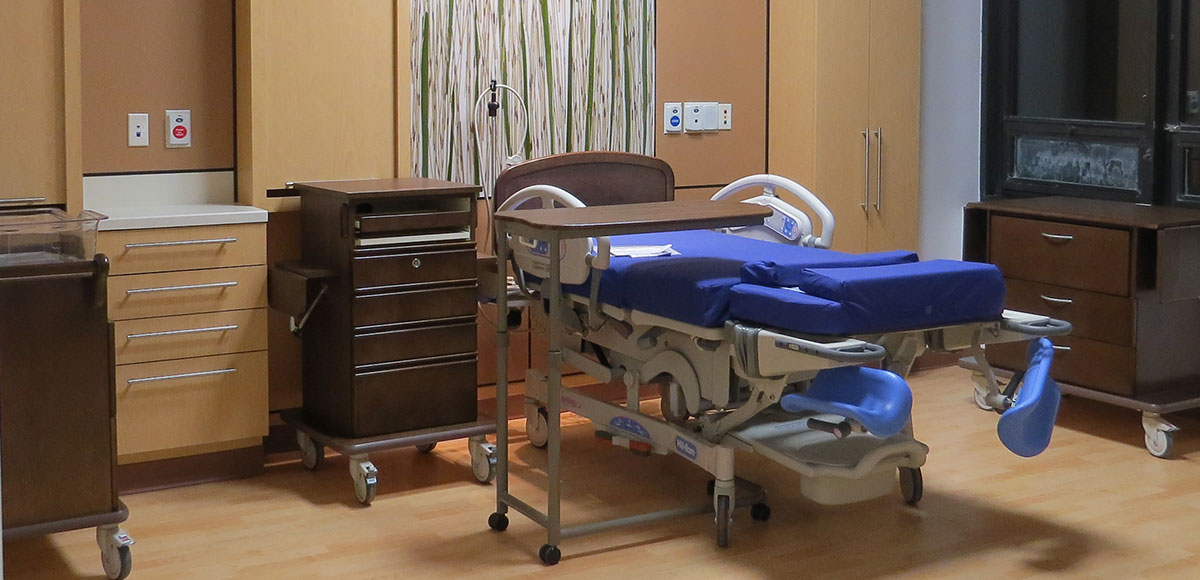
We have a birthing tube for midwives’ patients and family members can attend the birth.
Yes.
No, but we can accommodate patients who request it.
No.
Yes, spouses can sleep in the room and siblings ages 12 and older can visit.
Our visiting hours are noon to 8 p.m.
One of the lowest in the county, 16 percent for primary and 12 percent for repeat for a total of 28 percent.
We have 90.7 percent of infants that were fed any breast milk, 12.8 percent were exclusively breast-fed and 85.9 percent were breast-fed and supplemented with formula.
The episiotomy rate is 6.6 percent.
Yes, your baby can sleep in the same room and we also have a nursery, if needed.
Two days for a vaginal birth, three days for C-section as per the American Congress of Obstetricians and Gynecologists (ACOG) recommendation.
We have a new women’s Primary Care Center, which provides outpatient care for women at all stages of life, with ultrasound, non-stress testing, OB visits, gynecologist visits and more in the Women’s Division. The hospital also has two water birth suites, each with tub and laboring bed, set up like a bedroom. There’s also a waiting room for the family and all the comforts for support while the woman is laboring in the tub. It is an alternate birthing method that some women have found comforting.
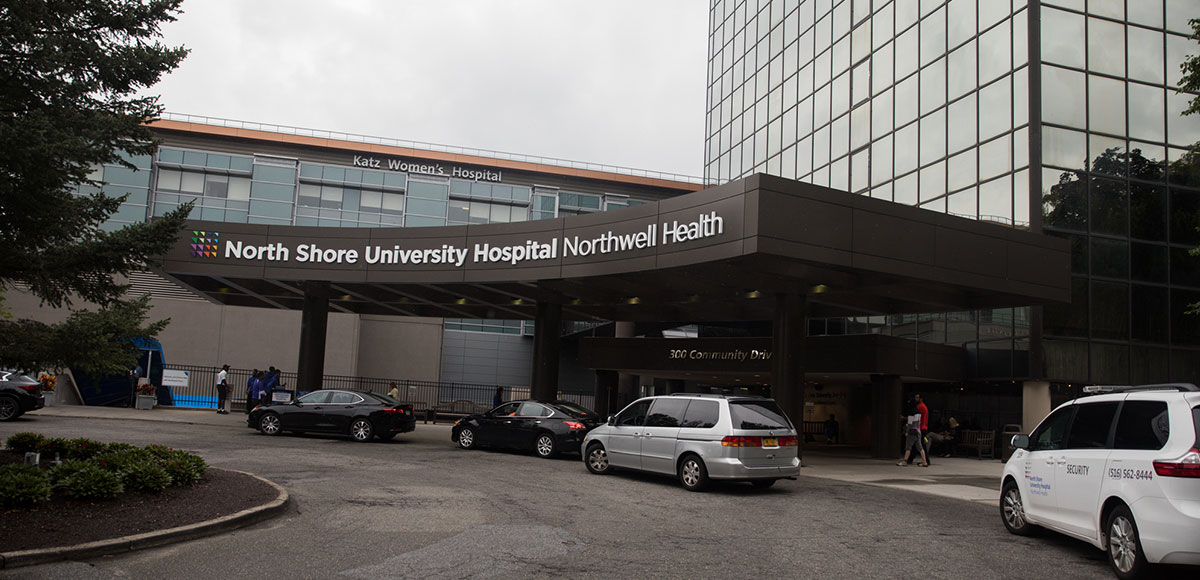
Yes, for postpartum and antepartum at no extra charge.
Prenatal classes and parenting programs can be scheduled through the Katz Women’s Institute (516-881-7000). We provide onsite breast-feeding classes, as well. Sibling groups are offered to prepare children for the arrival of their new sister or brother. Storytime is provided as per family request. Our patient and family-centered care department helps to facilitate communication and provide any support needed during the stay. The hospital also offers holistic interventions, such aroma therapy, guided imagery and meditation. Our “special moments” program can provide families with celebrations for special milestones.
North Shore’s dining service department provides room service meals from an in-room menu with select options for new parents. One complimentary meal is also provided for a partner. A beautiful educational book called “New Beginnings,” and a swaddle blanket are also provided. Valet parking at no extra charge the day of discharge.
Yes. Our Level 3 NICU is able to provide complex, state-of-the-art neonatal care to infants as young as 23 to 24 weeks. They provide care for infants born in the hospital, as well as infants transferred into the institution.
Yes, we have newly renovated Labor and Delivery Recovery rooms. Our family-centered care philosophy is to allow the patient to experience the entire birth process in one room whenever possible. Skin-to-skin and non-separation are supported and encouraged. We also have a new state-of0-the-art OB Recovery room.
Doulas are allowed. North Shore University Hospital has a strong partnership with the Long Island Doula Association. At this time, North Shore does not have midwives.
All visitors must receive a visitor’s pass at the front desk. The units are locked and visitors are screened before entering. There is also an infant security system.
There are lactation consultants at the hospital and more than 100 of the RNs are certified breast-feeding counselors, who can provide education and support. All RN staff are trained and educated to provide breast-feeding education and support, as well. The hospital supports breast-feeding, but respects the choice of the mother. North Shore will provide education as to the benefits of breast milk.
Still photos are permitted, videotaping is permitted in the privacy of your post-partum room. There is a contract for baby portraits.
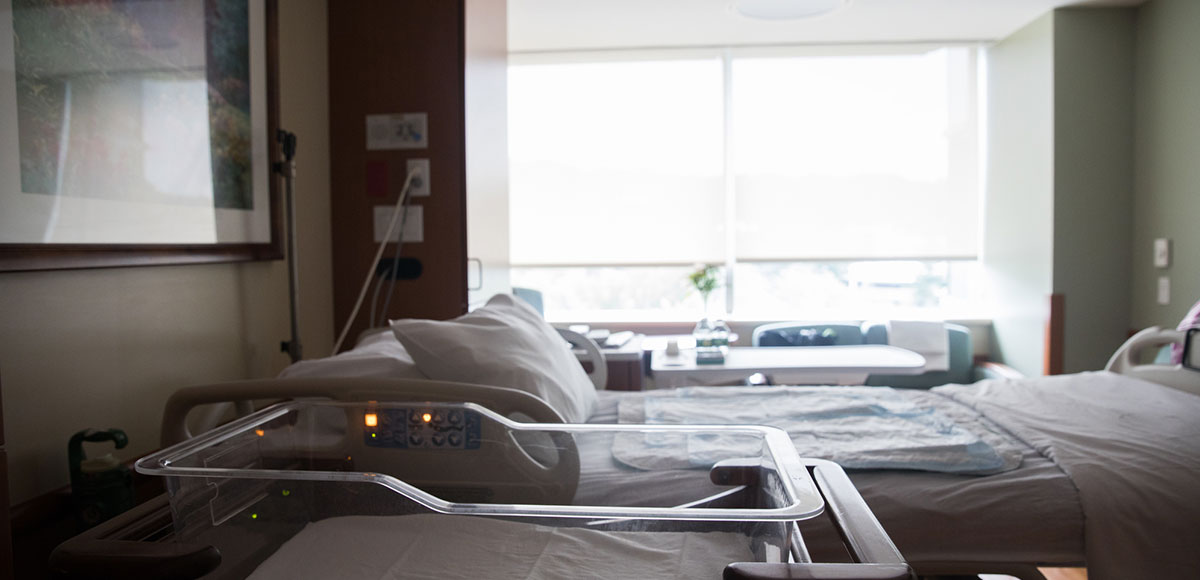
North Shore uses the peanut ball, which helps for a faster delivery during the last part of labor. Anesthesia is on the unit 24 hours a day, seven days a week, to provided services whenever needed.
Yes, North Shore provides 10 tour groups a month. Tours are led by experienced Perinatal RN’s. The informational session includes review of the admission/discharge process, helpful information for your stay and a tour of the Labor and Delivery, and Postpartum units.
Families can arrange for private cord blood collections from one of the several companies the hospital has an agreement with. Doctor’s offices can provide the information during the pregnancy.
The hospital provides educational materials.
Siblings can visit, and one support person can sleep over. Children are welcome but can’t sleep over.
Visitors are welcome at any time during a patient’s stay.
Approximately 35 percent.
About 37 percent exclusively breast-feed; 54 percent breast- and bottle-feed.
Approximately 12 percent.
The hospital encourages rooming in — the infants are safe – and the front desk of the unit is always manned so they can see who is coming in. In addition, the OB staff has a different colored ID so parents know that he/she is an authorized person to be in the area near their baby. Every unit is equipped with a nursery and RN coverage at all times within the nursery. The nursery is available to parents as needed.
The usual stay is two days for a vaginal birth and three days for a C-section delivery.
The hospital works as a team consisting of nurses, maternal fetal medicine physicians, neonatologist and other medical specialists when a woman has medical issues that could complicate her pregnancy. Our close relationship with Northwell Health’s Cohen Children’s Medical Center provides us consults and access to all neonatal/pediatric subspecialties as needed.
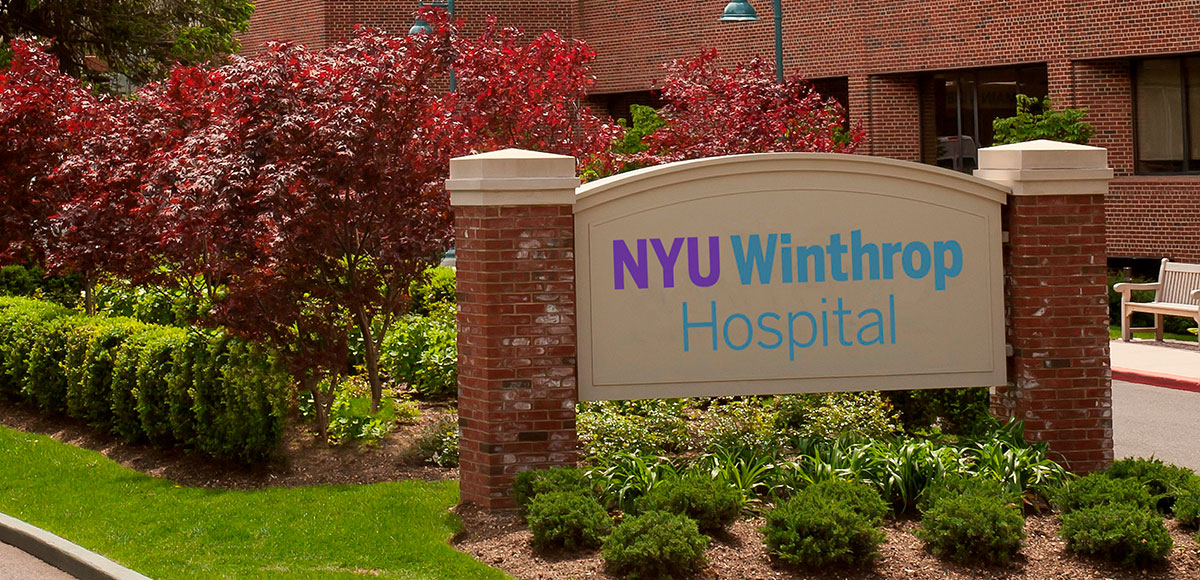
Yes, NYU Winthrop Hospital offers private rooms. There is a $200 surcharge for the entire stay.
Yes, we have a number of prenatal class offerings such as baby care, breast-feeding, Lamaze and more. We also have a sibling class.
There is a daily dessert cart brought to the mom’s room every afternoon with specialty treats.
Yes, NYU Winthrop has a Level III NICU. The NICU is equipped to care for babies with problems that require the use of the most sophisticated technology and possible surgical intervention. Special equipment is used to observe and monitor the babies closely, as well as to provide the correct balance of warmth, nourishment and, if necessary, oxygen in amounts carefully tailored to the special needs of each baby. We care for sick neonates and premature babies as early as 24 weeks’ gestation.
Yes. We have 16 labor, delivery, recovery (LDR) rooms, three operating rooms, six OB post anesthesia care unit (PACU) beds and seven exam/triage rooms.
Yes, NYU Winthrop developed the first volunteer doula program on Long Island and has trained more than 135 doulas. Doulas may provide support in the delivery room, and those that are hospital-based and trained may provide support for C-sections in the operating room. Midwives are permitted if credentialed and privileged through the hospital’s medical staff office.
We utilize an infant alarm system called Safe Place, which monitors the infant’s whereabouts through a central system. The areas are all locked down with card swipe technology.
NYU Winthrop Hospital was the first hospital on Long Island to achieve Baby Friendly designation. All of the members of the nursing staff are certified breast-feeding counselors (CBC). In addition, we have two international board certified lactation consultants (IBCLC) on staff.
Yes, photographing and videotaping during the birth are permitted with the consent of the medical provider who is delivering the baby. MOM 365 has professional photographers, who are on-site and available to take newborn photos in the privacy of each patient’s room.
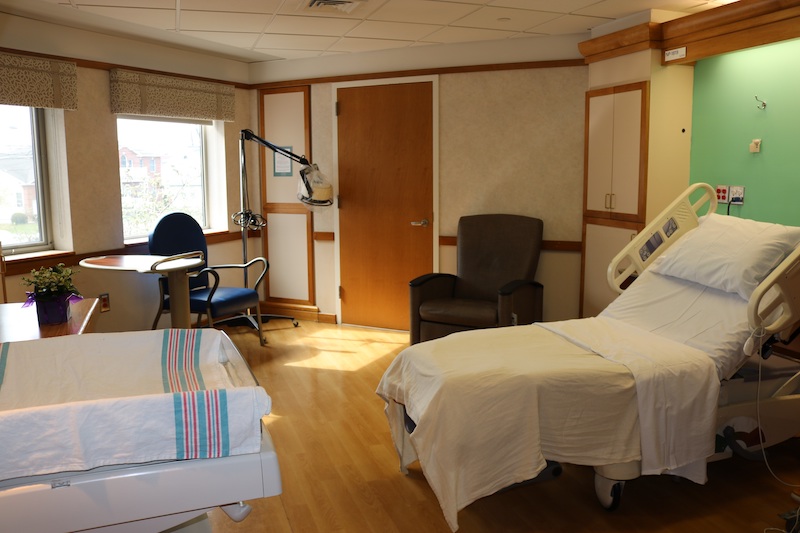
NYU Winthrop offers Peanut balls (birthing balls) to help reduce the length of labor and the need for Caesarean section. In addition, the Monica NOVII is a wireless Bluetooth fetal monitoring device, which allows for more mobility during labor. It monitors fetal heart rate, maternal heart rate and uterine activity, all with a single “peel and stick” patch.
Yes, tours of the hospital’s New Life Center and recovery area are available upon request or can be arranged through prenatal classes.
Cord blood banking is permitted and supported for any family that decides to contract with a cord blood company.
No.
Siblings and families are welcome. Spouses and partners may stay.
There is no age requirement for visitation; however, families are encouraged to use discretion with small children. Visitors are welcome at any time during the patient’s stay.
The C-section rate is 38 percent. NYU Winthrop has also joined a multi-centered collaboration with the American College of Nurse-Midwives in order to safely reduce the primary C-section rate, and the rate for first time mothers has dropped 10 percent.
NICU babies have more than 90 percent initiation rate for breast milk including the availability of donor milk; more than 80 percent of well babies receive breast milk, with 50 percent receiving breast milk exclusively.
The hospital’s episiotomy rate is 18 percent.
Rooming in is strongly encouraged. There is a respite nursery if needed.
The average length of stay is two to three days.
NYU Winthrop Hospital is the only hospital on Long Island to offer fetal surgery. Fetal surgery encompasses a broad range of surgical techniques used by our fetal surgeon-specialists to treat birth defects in fetuses prior to childbirth. The Monica NOVII is wireless Bluetooth fetal monitoring to allow for more mobility during labor. NYU Winthrop received the prestigious Joint Commission Gold Seal for Perinatal Care, a certification that recognizes, among other things, patient-centered care, a reduction in maternal complications and prematurity rates, key standards and measures for improving and maintaining the health of newborns and their mothers, and a reduction in costs associated with lengthy hospitals stays due to pregnancy-related complications.
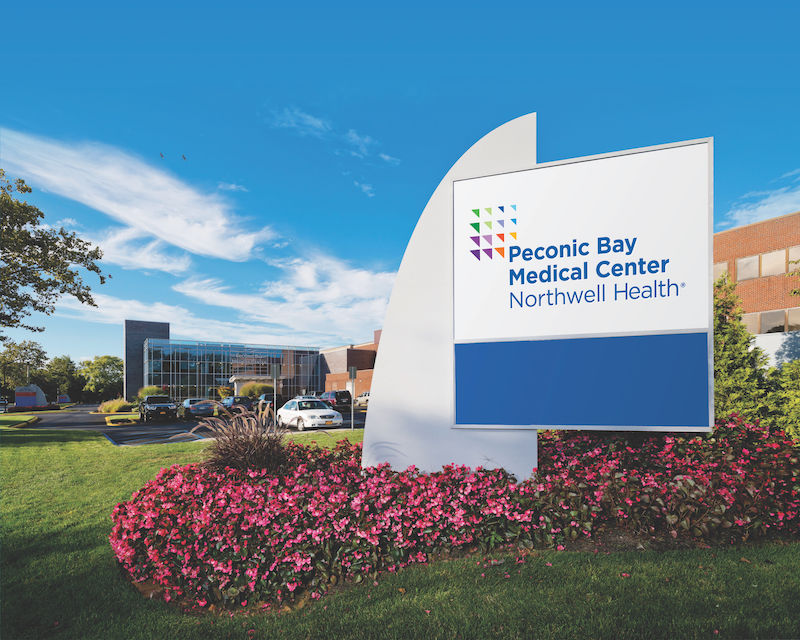
Yes, at no extra cost.
Yes. Complimentary prenatal and breast-feeding classes are offered twice a month at Peconic Bay Medical Center and local libraries, available in English and Spanish, and is open to the community. The prenatal class is taught by Labor and Delivery registered nurses (RN) on staff and the breast-feeding class is taught by the hospital’s international board certified lactation consultant (IBCLC).
The new dad or significant other gets to push a button after the birth of a baby that plays a lullaby throughout the entire hospital. The couple also receives a special “Stork” meal the night before they are discharged.
No, Peconic Bay does not have a NICU, but we are staffed with neonatal specialists 24 hours a day, seven days a week, and board certified Neonatal nurse practitioners are available for transition and stabilization of any at-risk newborn.
Peconic Bay Medical Center has eight labor and delivery rooms, and a new state-of-the-art operating room.
Yes, doulas are welcome. Peconic Bay Medical Center has brought two certified midwives on staff and the practice is accepting patients starting in August 2019.
Peconic Bay Medical Center maternity unit is a locked unit and has a state of the art RF security system for the babies. The transducer is placed on the umbilical cord.
Yes, we have an international board certified lactation consultant (IBCLC) on staff. More than 65 percent of the RNs are certified lactation consultants.
Yes, photographing is allowed. Videotaping is not allowed in compliance with NYS regulations. The staff will accommodate “photo shoots” for families to capture those treasurable moments in the delivery room.
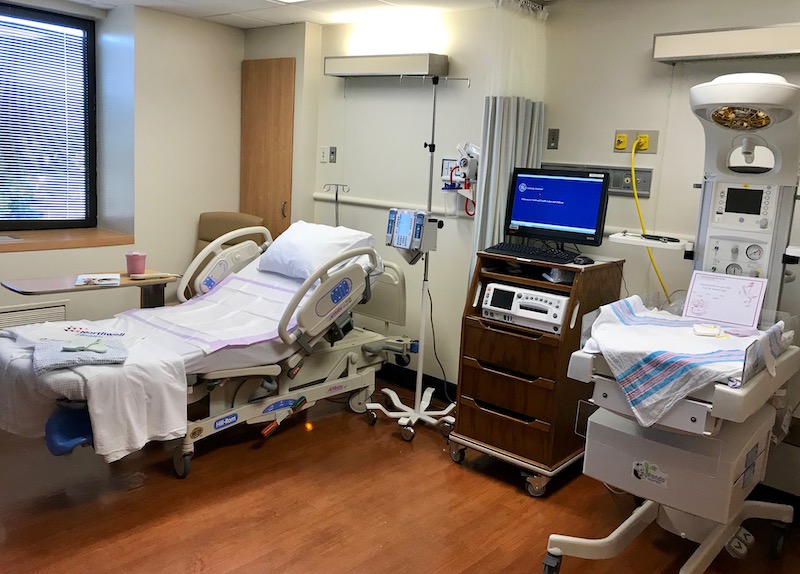
Yes, we offer Peanut balls to the expectant mothers who would like assistance during labor. The therapy ball helps to shorten the first and second stages of labor, while also decreasing C-section rates.
Yes, can be scheduled any day of the week and are offered by our RNs.
Yes. Cord blood banking is available to patients at Peconic Bay Medical Center, coordinated through their OBGYN using an outside vendor.
We don’t offer “swag bags” to patients when they are discharged, However, we offer departing gifts, including an engraved silver infant spoon, available in English and Spanish, to families during their stay with us.
Yes to both.
We have open visiting hours.
20.6 percent (primary); 41 percent overall (includes repeats and breech).
89.4 percent.
No longer tracked.
Yes to both.
The usual stay is two days for a vaginal birth, and two to three days for C-section.
Peconic Bay Medical Center, a member of Northwell Health, offers a warm family-centered community setting with specialized staff and state-of-the-art equipment for serving the east end of Long Island maternity needs. We are a baby-friendly unit meeting all the quality initiatives of New York State. We offer immediate skin-to-skin contact for all our mothers after birth. Even babies who are born via a C-section can be placed on their mother’s chest in the operating room, to help promote bonding. Peconic Bay Medical Center recently had a complete renovation of the unit converting all the rooms to labor and delivery rooms. This facilitates mother/baby couplet model of care, where one nurse cares for both the baby and the mother. This model allows staff to have an enhanced opportunity to educate the mothers and families and to help get familiar with the newborns’ patterns. Each room has a personalized board with helpful information for Mom and family members.
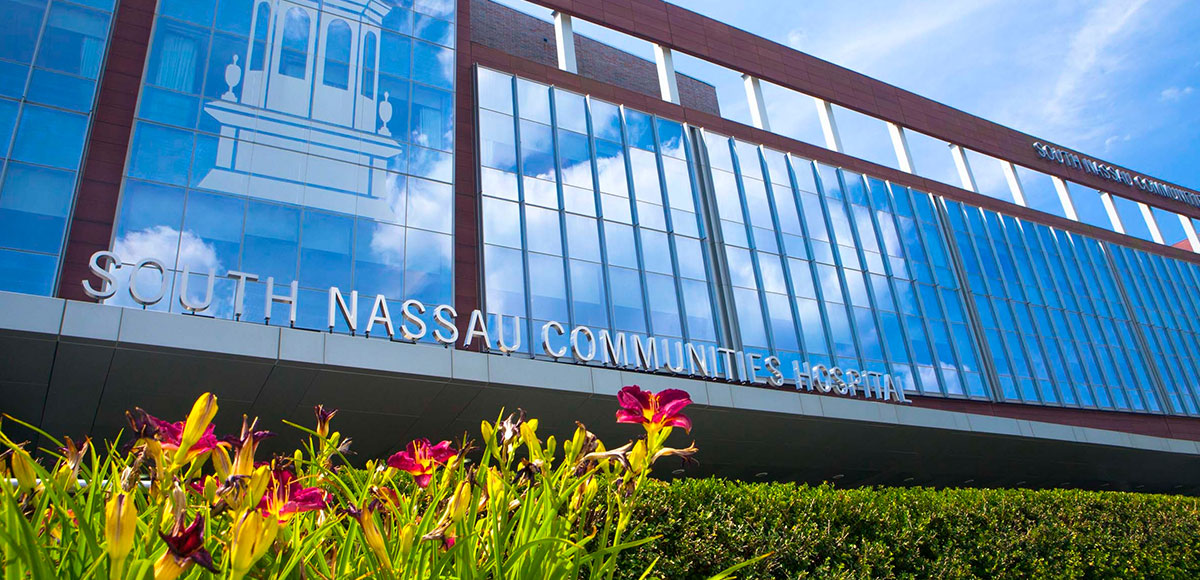
South Nassau has 26 private rooms on the Mother Baby Unit. Each includes a full bathroom.
We’ve developed programs, such as breast-feeding support, to help patients before they leave the hospital. We offer a range of classes and support, which include baby care, preparation for breast-feeding, infant/child CPR, prenatal yoga, mommy-baby yoga, prepared childbirth class, safe sitter class as well as a sibling class.
The birth of a baby at South Nassau is celebrated by playing Brahms’ Lullaby over the hospital’s public address system, heralding the birth.
Yes, we have a Level II NICU. The medical staff includes physicians who are board-certified in neonatology and board-certified in maternal-fetal medicine, as well as registered nurses. Technology in the NICU nursery ensures intensive one-on-one care anf features state-of-the-art monitoring system. It’s equipped with advanced equipment designed especially for premature babies and other newborns with special needs.
Yes, expectant mothers typically labor/deliver/recover in the same room on the L&D floor before transferring to their private room on the Mother Baby unit until they are discharged home.
Midwives with South Nassau Communities Hospital privileges can practice here, and some are on staff. Up to three labor coaches, designated by the expectant mother, are allowed to be present in the room during labor and delivery. The patient may choose to bring a doula, as one of her labor coaches. In the event of a C-section, the father of the baby, or significant other, can be present in the operating room.
The hospital uses a state-of-art infant security system. All L&D, Mother Baby and NICU visitors are screened prior to being allowed access to ensure safety and security of mother and child.
South Nassau Communities Hospital is a ‘Baby Friendly’ hospital designated by the World Health Organization for its commitment to mothers and newborns, and in recognition of its effort to foster breast-feeding. The ‘Baby Friendly’ designation recognizes birth facilities that offer breast-feeding mothers the information, confidence and skills needed to successfully initiate and continue breast-feeding their babies. South Nassau has also established the Lactation Resource Center, to support the new mother and her newborn by providing breast-feeding education, assistance and support. It’s staffed by a professional team of experts who are certified by the International Board of Certified Lactation Consultants (IBCLC) to help before, during and after the hospital stay.
Videotaping and photographing the newborn and the new mother after delivery is allowed. South Nassau offers newborn photography services on premises, while the new mother and the baby are still in the hospital.
Expectant moms can bring labor balls or something similar. Our Labor and Delivery nurses will be happy to work with the mom-to-be as long as the mother and baby can be adequately monitored to assure safety. The L&D nursing staff encourage skin-to-skin contact upon delivery. South Nassau is currently implementing the Gentle Cesarean Section philosophy, when skin-to-skin contact and breastfeeding are encouraged and supported in the operating room.
Yes, at maternity orientation. Expectant parents will get information about the hospital, see a presentation and take a tour of the maternity unit.
The South Nassau staff and doctors support and participate in cord blood collection.
South Nassau chooses not to participate in direct marketing promotions and product sampling programs designed to influence the parental process of learning and determining what products are best for the baby.
The father of the baby, or an adult significant other of new mother’s choice can stay with the mother and the newborn in the room at all times. Children under 12 must be accompanied by an adult.
The Center for New Beginnings maternity unit is open to visitors 24 hours a day, seven days a week.
The hospital’s C-section rate is 35 percent overall, with a 24 percent primary C-section rate.
Our breast-feeding rates are consistently more than 90 percent. The exclusive breast-feeding rates at discharge are around 50 percent, and close to 95 percent of South Nassau newborns are at least partially breast-fed.
We have an approximately 8 percent episiotomy rate.
We promote moms and babies not being separated and are able to sleep in the same room. All assessments and tests for the babies can be done in the room as well. Yes, there is a nursery if needed.
The average length of stay for vaginal deliveries is two days after delivery and three days after cesarean sections. However, the health and wellness of the mother post-delivery is paramount, so the length of stay will depend on how well the new mom and the baby are recovering from birthing experiences.
The hospital’s Division of Maternal-Fetal Medicine offers a thorough assessment and follow up of all expectant moms and fetuses. Our exceptional Maternal-Fetal Medicine team complements the care of your obstetrician. We provide consultation, sonogram review and other testing for conditions that might affect the health of the mother or unborn baby. The Center’s ultrasound lab uses high frequency ultrasound systems to create 2D, 3D or 4D images to monitor the progression of pregnancies and evaluate fetal well-being. Genetic testing provides information to address possible genetic risks. Fetal echocardiography is used to view the structure and function of an unborn child’s heart to detect possible congenital heart defects or disease. The expert care in Maternal-Fetal Medicine augment by South Nassau’s partnership with the Mount Sinai Health System. Through this partnership, mother and child have the support of an additional team of well-respected specialists and subspecialists in high-risk pregnancies. Additionally, should the mode of delivery by a C-section, South Nassau implements a gentle C-section approach. A mom-to-be has an opportunity to see the baby at the moment of cesarean delivery, and experience a skin-to-skin contact within minutes after baby’s birth. Mother preferences in music during the surgery (if any) can also be considered.
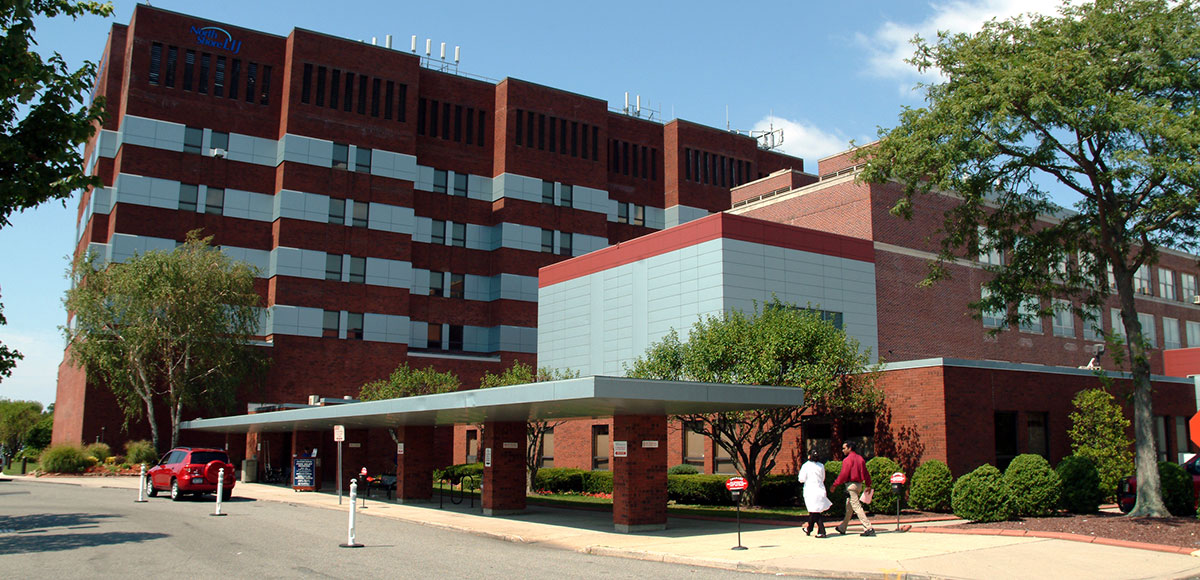
Southside Hospital has private rooms available upon request.
We offer two complimentary prenatal classes to all of the hospital’s patients and employees. One class is labor and delivery, covering the basics of what to expect during your birth, as well as basic newborn care. Southside Hospital also offers a prenatal breast-feeding class taught by an international board certified lactation consultant (IBCLC). Both of these classes include a tour of the maternity center.
After the birth of a baby and upon transfer to the postpartum unit, the mother and her significant other push a button that plays a lullaby throughout the entire hospital. This was initiated by one of the hospital’s labor and delivery nurses and it really brings a smile to everyone’s face when they hear it.
Southside Hospital has a level two special care nursery with 24/7 neonatologists on site.
We have six beautiful labor and delivery suites.
Doulas are allowed at the mother’s request, but we currently do not have midwives who practice at Southside Hospital.
We have a state–of-the-art newborn security system. Every baby has a newborn security tag on his/her ankle, which is a transmitter. The patients are given instructions regarding the use of the tag, such as leaving it on the baby securely throughout the hospital stay. Both the labor and delivery, and maternity units are locked units and every baby is accounted for at all times. These transmitters can activate an overhead alarm system if any change in tag status occurs.
All of the hospital’s maternal-child nursing staff are trained in supporting breast-feeding mothers, as well as our lactation consultants who do daily rounds on patients. Southside Hospital is on the journey to become a baby friendly designated hospital and has many resources for breast-feeding families. We offer a free prenatal breast-feeding class prior to birth, as well as breast-feeding support after discharge through its breast-feeding support group.
The hospital has a newborn photography company on the mother-baby unit (postpartum). However, videotaping during the actual childbirth on the labor and delivery unit is not allowed.
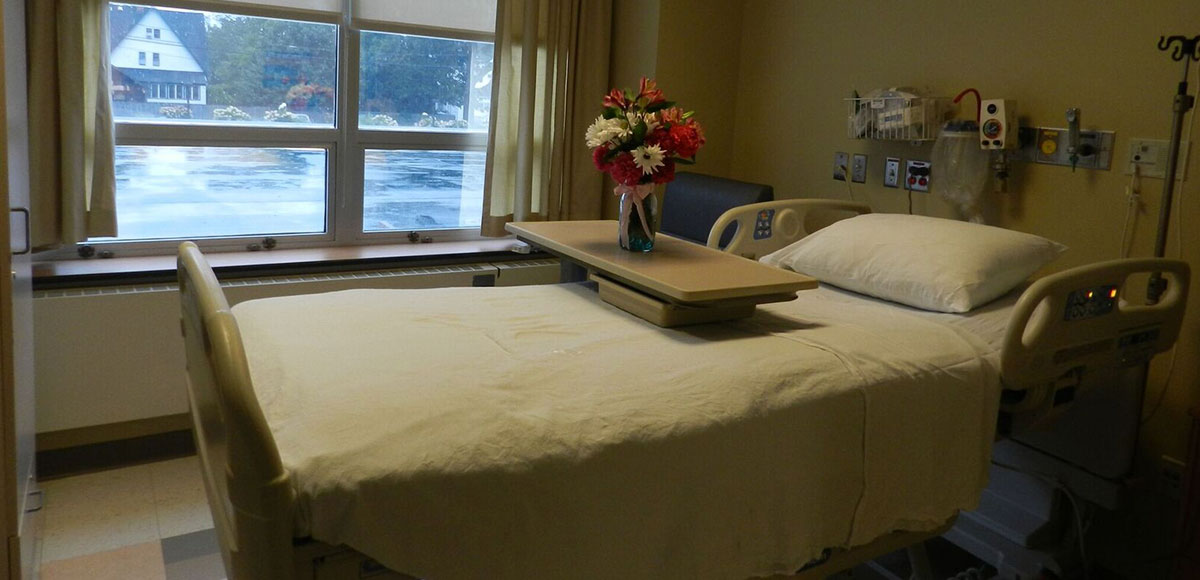
Southside Hospital has nonpharmacologic measures to help a mother during childbirth, such as birthing balls, peanut balls, rocking chairs and support to labor outside of the bed when the patient is medically stable.
Yes, the tours are incorporated into the complimentary prenatal classes.
Patients are encouraged to bank their cord blood privately with one of the many companies we are associated with. They are given multiple resources by their doctors regarding both banking for themselves as well as donating cord blood for banking.
We offer a Northwell Health cooler tote to each of the mothers who are admitted to the NICU, so they can safely transport their breast-milk to and from the NICU. We also give each baby a complimentary Northwell Health newborn T-shirt.
Siblings are allowed to visit at any age. Spouses may stay overnight and are encouraged/taught to assist in the care of the newborn.
We have 24-hour visiting hours with a designated “quiet hour” during both the day shift and night shift to allow for the patients to rest.
Primary C-section rate is 20 percent.
50.68 percent.
16.8 percent.
The baby is able to stay in the same room throughout the hospital stay and there is a nursery available at all times.
The standard length of stay is two nights for a vaginal delivery and three to four after a Caesarean birth.
We offer immediate skin-to-skin contact for all our mothers after birth. Even babies who are born via a Caesarean section can be placed immediately skin-to-skin after the birth in the operating room. They may stay with the mother throughout the remainder of the surgery and be transferred to the recovery room with the mother. Skin-to-skin can also be performed by the baby’s father in either setting (labor room or operating room), as well. Southside Hospital also has a Baby Café, a drop-in service for all mothers in the community to receive professional support by a board-certified lactation consultant, as well as support from other mothers.
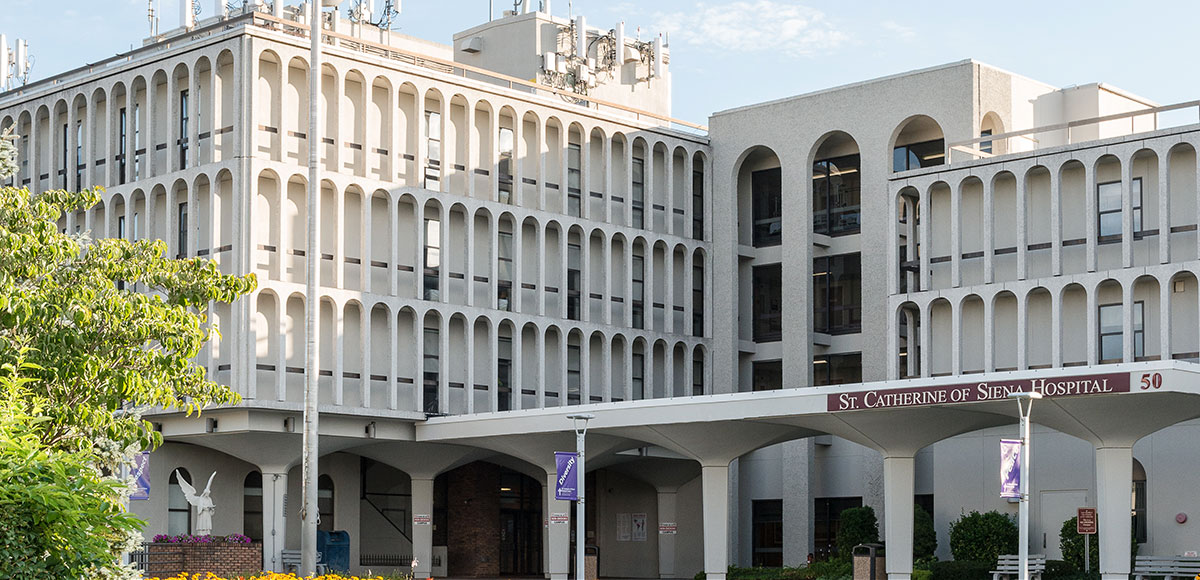
Yes, we offer private rooms and there is no extra cost. We currently have five private rooms in our mother/baby unit and all of our birthing rooms are private.
We have the following classes and support groups: New beginnings maternity tour and prenatal breast-feeding class, offered once a week. The infant care class is offered monthly. Family and friends infant CPR is also offered monthly. Support groups include a lactation support group (once a week), mother’s circle of hope, for women experiencing pregnancy and postpartum depression/anxiety/ OCD, (meets the second Thursday of every month).
Lullaby music plays throughout the lobby when a baby is born. We also offer rest periods at the patient’s request and a la carte meals.
We are a Level II NICU, providing care for neonates 30 weeks and older. The hospital can accommodate up to seven NICU babies and there is an isolation room, if necessary. We also have a neonatologist in-house available 24/7.
We have a labor and delivery suite with five birthing rooms.
If a patient would like a doula, she can hire one and have her present for support during labor and delivery. We do not have midwives on staff.
We have a locked unit with surveillance cameras throughout. Visitors use a phone outside our unit to announce themselves prior to entering. Security is also located outside our unit. All well newborns have a security band placed on them in the delivery room. In addition, we have identification bands, which identify the newborn to the mother.
All of our nurses are breast-feeding coaches. We have a an international board-certified lactation consultant. St. Catherine supports and provides continuous education for all our patients who wish to breast-feed or formula feed.
Photographing and videotaping is allowed once the baby is born and stable. We also have a newborn photographer on site.
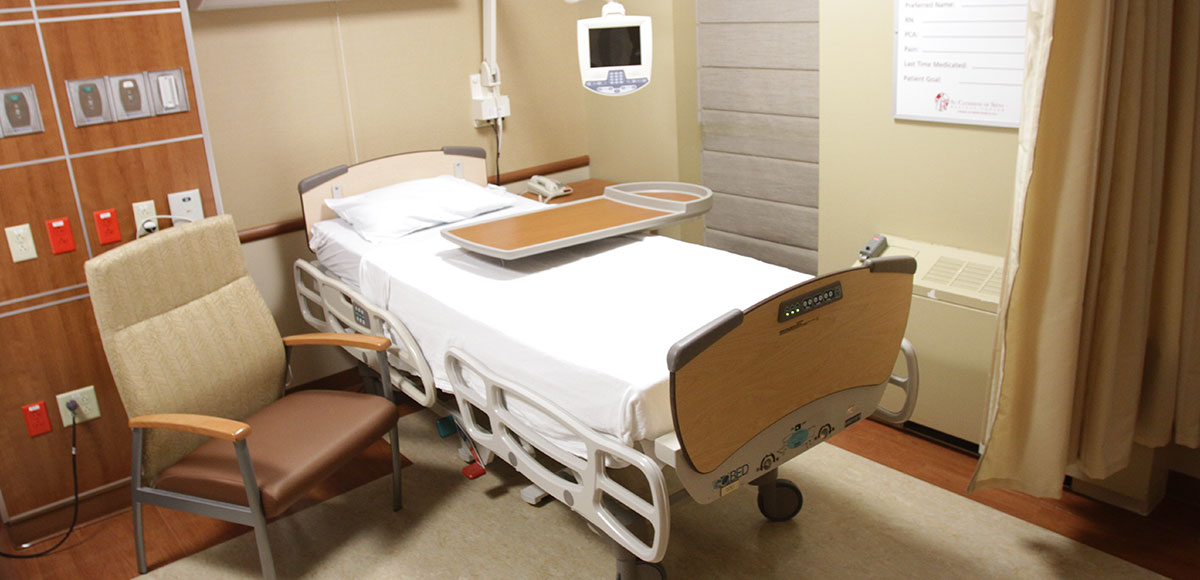
We offer a glider for them to rock in.
Yes, any time. You just need to call in advance or register for our weekly new beginnings tour.
Though we do not provide the kits, however, the nurses are competent in completing the requirement for cord blood banking collection for patients who bring in their own kits.
As a means to include siblings, we provide “I am a big sister/brother” bracelet to all siblings.
Siblings are allowed to visit in our mother/baby unit. Yes, spouses can sleep in the room.
Though we have open visiting hours, we encourage family to call patients ahead of time as we are a family-centered care facility and encourage our moms, dads and babies to rest as much as possible.
50 percent.
To date, our exclusive breast-feeding rate is more than 50 percent.
16.1 percent of vaginal births included episiotomies.
Yes, as part of our family bonding, we encourage all of our patients to room in with their newborns. We also have a nursery if needed.
Normal vaginal delivery patients stay two days and our non-complicated Caesarean section patients stay three to four days.
St. Catherine of Siena is the first and only designated baby-friendly birth facility in Suffolk County, an award that demonstrates the hospital’s commitment to supporting breastfeeding and family bonding. We renovated to accommodate more private rooms for our patients. Mothers, as well as fathers, are encouraged to do skin-to-skin with their newborns immediately after birth.
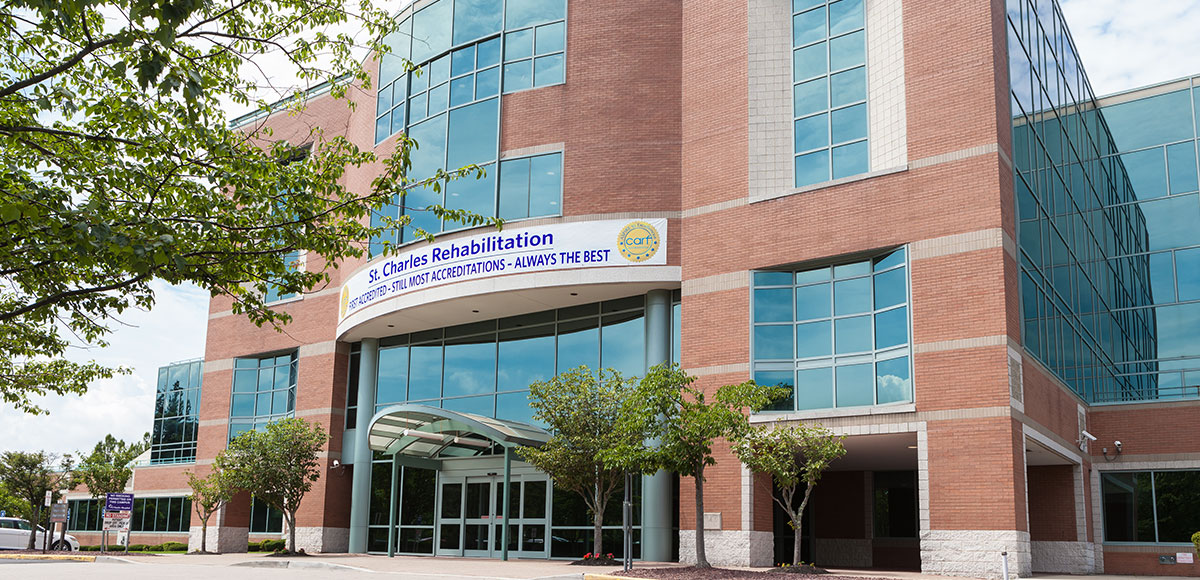
Yes. Currently we have eight private rooms; however, we will be doing a renovation of the maternity unit and when complete, the unit will host 16 refurbished private rooms.
Yes, St. Charles offers a C-section class and childbirth preparation/lamaze, free maternity unit tours, newborn parenting 101, daddy boot camp, as well as mommy’s little helper sibling class.
The new dad gets to push a button in the labor/delivery suite when the baby is born and Brahms’ Lullaby plays through the labor/delivery and maternal/child units. In addition, St. Charles offers new parents a private “Dinner for Two” the night before they are discharged. It’s a three-course meal with a salad, entrees include surf/turf, chicken or salmon and dessert is Junior’s cheesecake or chocolate mountain cake.
Yes. St. Charles Hospital hosts a six-bed Level II NICU, which means we care for babies born at 32 weeks gestational age or greater, as well as babies who are full-term but require close monitoring, breathing assistance or intravenous antibiotics after birth.
Yes.
If a patient would like a doula, she can hire one and have her present for support during labor and delivery. We do not have midwives on staff.
The labor/delivery and maternity units feature security and monitoring technology to ensure the safety of our patients. Guests and other staff in the hospital must be buzzed in by staff and all newborns wear an alarmed security device that activates if the baby is brought anywhere near every exit door on the unit.
Yes, we have one full-time certified lactation consultant. All of the mother-baby nurses are certified breast-feeding counselors. St. Charles supports both breast- and bottle-feeding.
Photographs are allowed and we do have a newborn photographer.
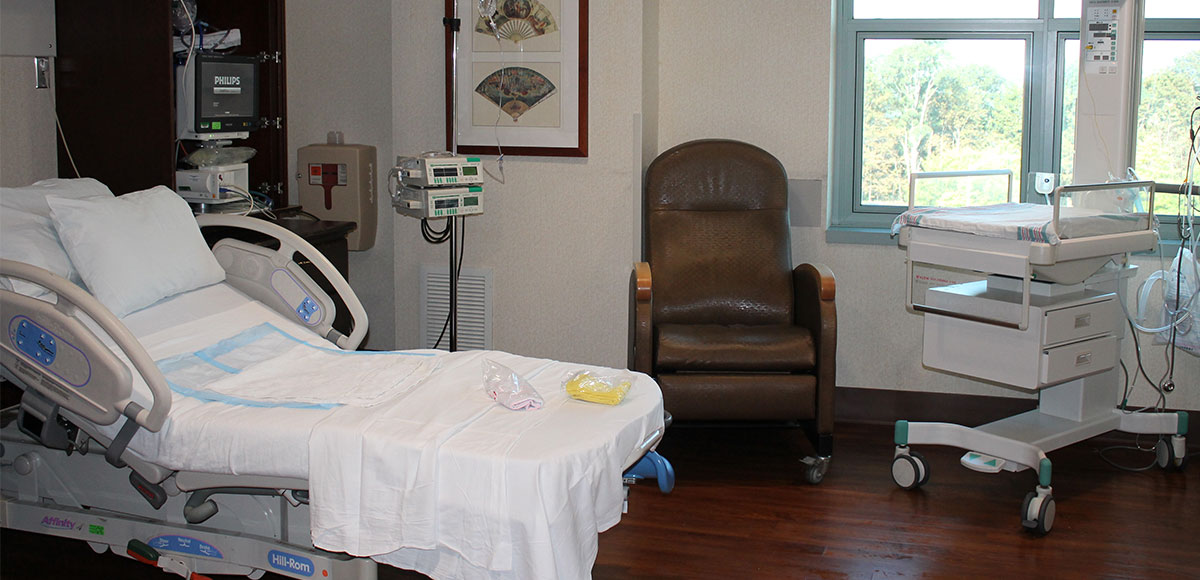
Patients can bring in their own labor balls – most do not use them.
Yes, free tours of the delivery rooms, nursery and postpartum rooms are offered.
Patients make their own contracts with cord blood banking companies. We do not supply the kits and we don’t have contracts with any bank.
Parents are given a blue canvas bag for boys and a pink canvas bag for girls. Patients are also given hand-knit hats for their baby.
Yes, to both.
Spouses/partners are allowed to remain with the patient. Sibling and grandparent visiting hours are 2 to 4 p.m. and open visiting hours are 7:30 to 8:30 p.m.
43.3 percent.
About 83.7 percent of infants are fed any breast milk.
15.6% of vaginal births included an episiotomy.
Yes to both questions.
Two days for vaginal delivery and four days for C-section.
St. Charles Hospital’s maternity unit will soon undergo a complete renovation of each room, converting the unit to 16 private-appointed rooms. St. Charles Hospital supports a mother/baby couplet model of care, where one nurse cares for both the baby and the mother, which allows staff to have an enhanced teaching opportunity with mothers and families, promote family bonding and create awareness of the newborns’ patterns.
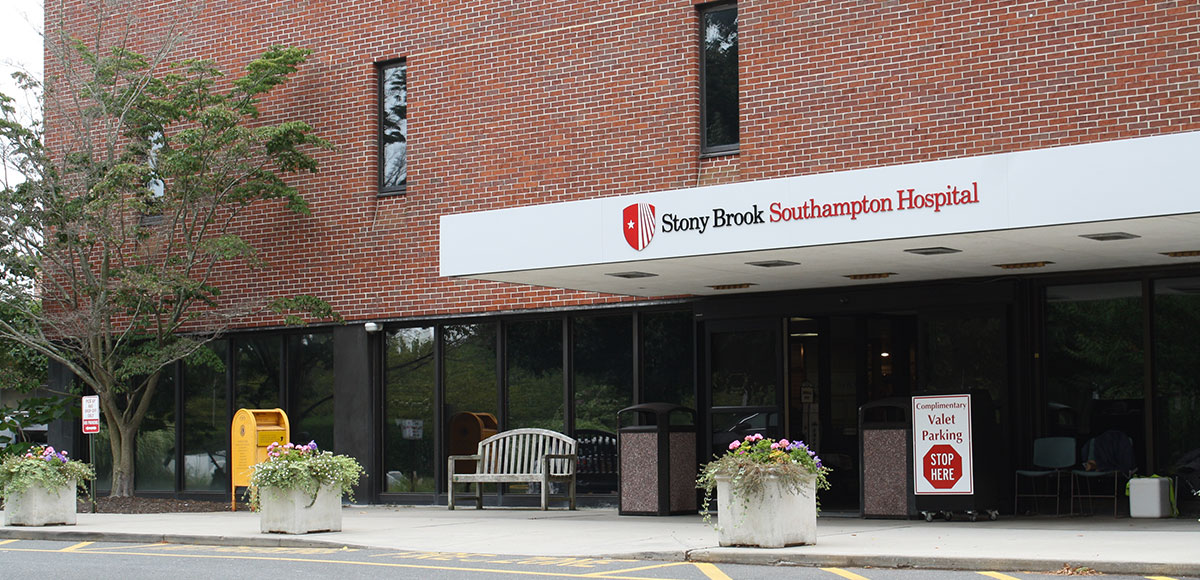
Yes, all our rooms are private. We have 11 postpartum, four labor and delivery suites, one triage and one recovery (post-op).
Yes, Southampton offers baby care basics, beyond delivery, baby safe CPR, breast-feeding, Lamaze and sibling classes.
We play a lullaby throughout the hospital when baby is born, skin-to-skin immediately following birth, lactation specialist is available day and night and we also offer breast-feeding education.
No, we transfer to Stony Brook University Hospital, if necessary.
Yes, we have four.
Doulas and midwives are allowed. We also have a midwife on staff.
We have a Baby Safe system that uses the newborn’s umbilical cord.
We have a lactation consultant on staff. We promote breast-feeding, but also bottle feeding if that is what the parents choose.
Yes, parents can take pictures. We do not have a professional newborn photographer at this time.
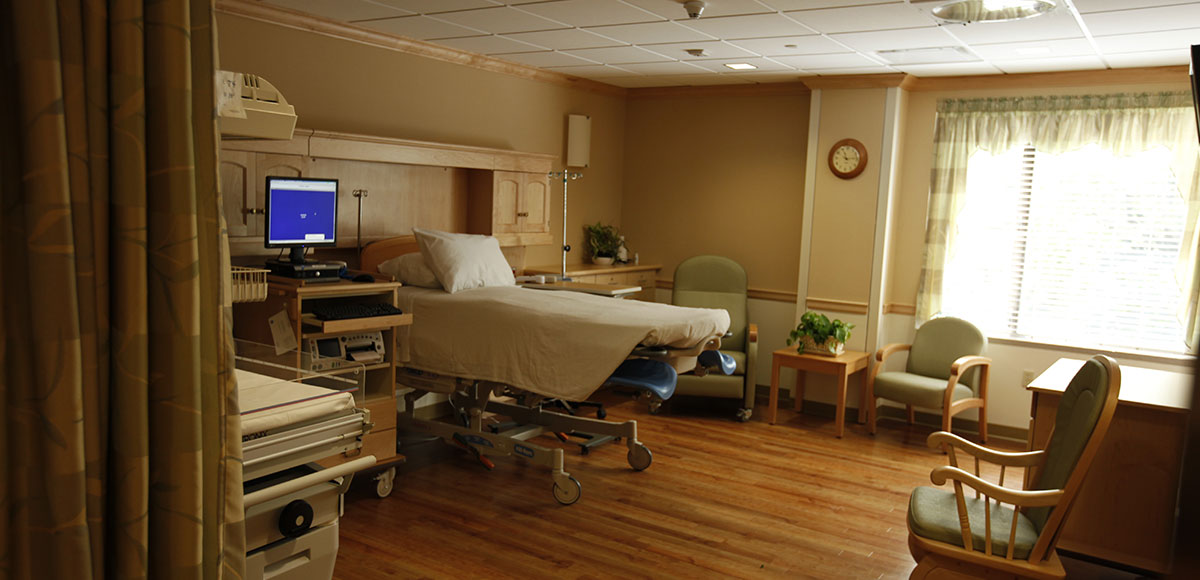
Yes, Southampton offers hydrobath, labor ball and “peanut” assist during delivery.
Yes.
At request of the parent.
Southampton participates in “Books for Babies” to encourage parent/child reading. Each baby receives several educational books in a canvas bag (we provide English or Spanish).
Yes to both. No restriction on children related to parents and baby. Unrelated children must be at least 16.
Our visiting hours are noon to 8 p.m.
26 to 30 percent of births.
To date, our exclusive breast-feeding rate is more than 50 percent.
16.1 percent of vaginal births included episiotomies.
Yes. There is a nursery available, if needed.
Two days for natural birth, three to four days for a C-section.
We have a baby-friendly environment, and holistic/pain management natural delivery.

All of the labor and postpartum rooms are spacious single patient rooms; each room is equipped with a private bathroom and shower.
The hospital offers free prenatal classes regarding labor/hospital stay, newborn care and breast-feeding, as well as a sibling class. The SB midwifery practice also has a referral list of childbirth educators on its website.
The nurses often play a “Happy Birthday” tune just after the baby is born in the birthing room. We encourage skin-to-skin contact between mother and baby to support transition, bonding and successful breast-feeding. We provide complete non-separation as our standard of care, which is an evidenced-based practice that continues to support baby’s transition, breast-feeding and the parenting role.
We have an onsite NICU staffed 24 hours a day, with neonatal intensive care physicians; it also serves as the regional perinatal center for Suffolk County. The NICU are single patient rooms (46 beds) with the ability for a parent to stay overnight; we also have available two transition rooms to support an easier transition from NICU to home for the family. There is a family respite room within the NICU; in addition we have a family waiting area equipped with bathroom facilities, refreshments, television and a children’s play area.
We have birthing rooms (labor/delivery rooms) , where mothers labor, birth and recover and are invited to have whomever they want in the room with them for support.
We encourage doulas and are in the process of developing a volunteer doula service at Stony Brook that would be available to all patients. We have the largest midwifery practice on Long Island, which has been providing obstetric and gynecologic care to women for more than 20 years, and has attended close to 12,000 births.
Each infant receives a special sensor at birth, which remains on them until discharge. This sensor is connected to a high-tech alarm system, which alerts staff if the infant is brought near any unit exit areas. In addition, each infant receives ID bands, which match the mother’s and are continuously checked throughout the hospital stay. Our non-separation policy also offers another level of security.
A large percentage of our nursing staff and many of our providers are trained breast-feeding counselors and there are lactation consultants on site as well. The hospital is currently in the process of expanding its lactation consultant staff. In addition, there is a free breast-feeding support group, facilitated by midwives and nursing staff, that meets every Monday evening at our East Setauket office location for anyone who births at Stony Brook.
Photographs can be taken during the birth, but final discretion is left to the provider. Videotaping is under the discretion of the provider. The hospital has a contract with a photographer, who offers newborn photo shoots during the stay.
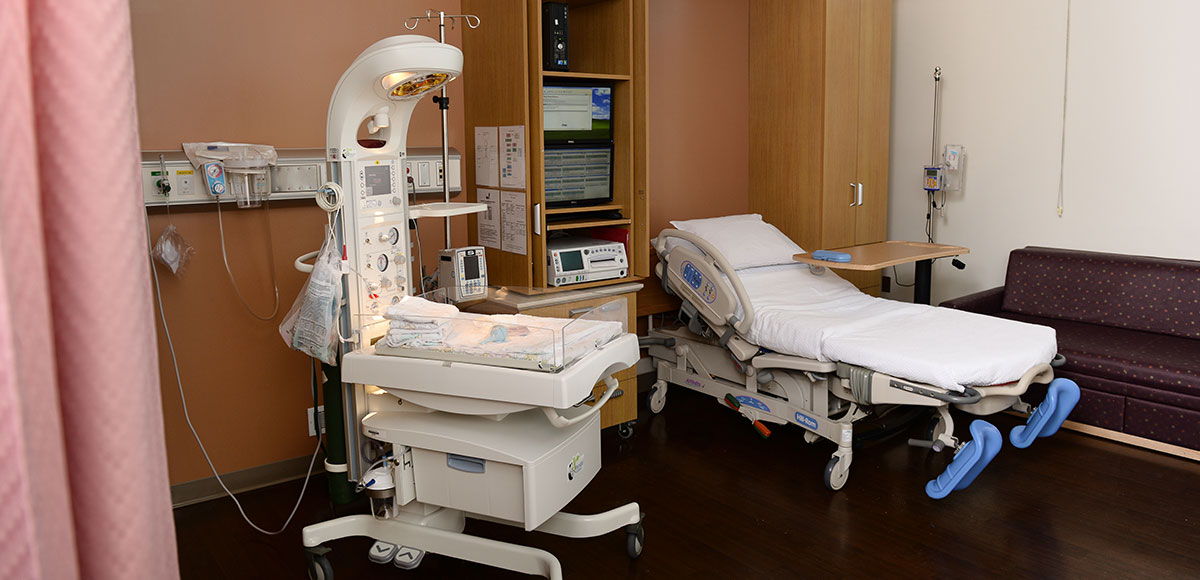
During labor, in addition to excellent support from well trained L&D nurses, we offer the use of birthing balls, peanut balls, hydrotherapy via private showers in every labor room, some with body sprays, as well as squatting bars for pushing. Many of our nurses and providers are familiar with spinning babies and rebozo techniques.
The hospital offers tours of our labor and delivery, and postpartum areas on most weekends, and the midwifery practice hosts an open house and tour on the first Thursday of every month.
Providers who attend births at Stony Brook participate in cord blood collection for stem cell banking, but the hospital itself does not “bank” stem cells from cord blood.
Every newborn receives a hat handmade by our volunteer service, as well as a footprint card.
Siblings may visit and there are generally no restrictions on age. Fathers or significant others may sleep over and are accommodated by a cot/lounger type bed in each room.
The visiting policy is open and in general dictated by the mother’s needs.
26 to 30 percent total; primary C-section rate is 14 percent.
40 percent of moms exclusively breast-feed.
Less than 10 percent.
Non-separation (baby in the room with you for the entire stay) is encouraged as it is known to enhance bonding, successful breast-feeding and parenting skills. There is a nursery for infants who need closer observation or whose mothers have medical conditions that prevent them for caring for their infants at times during their stays.
For vaginal birth average stay is two nights and for C-section birth average stay is three to four nights. Mothers [who deliver vaginally] who desire earlier discharge (24 hours) are often accommodated.
We offer delayed cord clamping for vaginally delivered patients and for C-sections on a case by case basis. We provide skin to skin contact for C-sections on a case-by-case basis. We are looking to develop a plan for an early labor lounge. We are also actively involved in a nationwide quality improvement campaign to decrease the primary C-section rate, which is being facilitated by an interdisciplinary group of providers including nurses, midwives and physicians. Our NICU provides a cutting edge whole body cooling program for neonates requiring higher level of intensive care.
Credit: , Matthew Cassella
South Nassau has 26 private rooms on the Mother Baby Unit. Each includes a full bathroom.
We’ve developed programs, such as breast-feeding support, to help patients before they leave the hospital. We offer a range of classes and support, which include baby care, preparation for breast-feeding, infant/child CPR, prenatal yoga, mommy-baby yoga, prepared childbirth class, safe sitter class as well as a sibling class.
The birth of a baby at South Nassau is celebrated by playing Brahms’ Lullaby over the hospital’s public address system, heralding the birth.
Yes, we have a Level II NICU. The medical staff includes physicians who are board-certified in neonatology and board-certified in maternal-fetal medicine, as well as registered nurses. Technology in the NICU nursery ensures intensive one-on-one care anf features state-of-the-art monitoring system. It’s equipped with advanced equipment designed especially for premature babies and other newborns with special needs.
Yes, expectant mothers typically labor/deliver/recover in the same room on the L&D floor before transferring to their private room on the Mother Baby unit until they are discharged home.
Midwives with South Nassau Communities Hospital privileges can practice here, and some are on staff. Up to three labor coaches, designated by the expectant mother, are allowed to be present in the room during labor and delivery. The patient may choose to bring a doula, as one of her labor coaches. In the event of a C-section, the father of the baby, or significant other, can be present in the operating room.
The hospital uses a state-of-art infant security system. All L&D, Mother Baby and NICU visitors are screened prior to being allowed access to ensure safety and security of mother and child.
South Nassau Communities Hospital is a ‘Baby Friendly’ hospital designated by the World Health Organization for its commitment to mothers and newborns, and in recognition of its effort to foster breast-feeding. The ‘Baby Friendly’ designation recognizes birth facilities that offer breast-feeding mothers the information, confidence and skills needed to successfully initiate and continue breast-feeding their babies. South Nassau has also established the Lactation Resource Center, to support the new mother and her newborn by providing breast-feeding education, assistance and support. It’s staffed by a professional team of experts who are certified by the International Board of Certified Lactation Consultants (IBCLC) to help before, during and after the hospital stay.
Videotaping and photographing the newborn and the new mother after delivery is allowed. South Nassau offers newborn photography services on premises, while the new mother and the baby are still in the hospital.
Expectant moms can bring labor balls or something similar. Our Labor and Delivery nurses will be happy to work with the mom-to-be as long as the mother and baby can be adequately monitored to assure safety. The L&D nursing staff encourage skin-to-skin contact upon delivery. South Nassau is currently implementing the Gentle Cesarean Section philosophy, when skin-to-skin contact and breastfeeding are encouraged and supported in the operating room.
Yes, at maternity orientation. Expectant parents will get information about the hospital, see a presentation and take a tour of the maternity unit.
The South Nassau staff and doctors support and participate in cord blood collection.
South Nassau chooses not to participate in direct marketing promotions and product sampling programs designed to influence the parental process of learning and determining what products are best for the baby.
The father of the baby, or an adult significant other of new mother’s choice can stay with the mother and the newborn in the room at all times. Children under 12 must be accompanied by an adult.
The Center for New Beginnings maternity unit is open to visitors 24 hours a day, seven days a week.
The hospital’s C-section rate is 35 percent overall, with a 24 percent primary C-section rate.
Our breast-feeding rates are consistently more than 90 percent. The exclusive breast-feeding rates at discharge are around 50 percent, and close to 95 percent of South Nassau newborns are at least partially breast-fed.
We have an approximately 8 percent episiotomy rate.
We promote moms and babies not being separated and are able to sleep in the same room. All assessments and tests for the babies can be done in the room as well. Yes, there is a nursery if needed.
The average length of stay for vaginal deliveries is two days after delivery and three days after cesarean sections. However, the health and wellness of the mother post-delivery is paramount, so the length of stay will depend on how well the new mom and the baby are recovering from birthing experiences.
The hospital’s Division of Maternal-Fetal Medicine offers a thorough assessment and follow up of all expectant moms and fetuses. Our exceptional Maternal-Fetal Medicine team complements the care of your obstetrician. We provide consultation, sonogram review and other testing for conditions that might affect the health of the mother or unborn baby. The Center’s ultrasound lab uses high frequency ultrasound systems to create 2D, 3D or 4D images to monitor the progression of pregnancies and evaluate fetal well-being. Genetic testing provides information to address possible genetic risks. Fetal echocardiography is used to view the structure and function of an unborn child’s heart to detect possible congenital heart defects or disease. The expert care in Maternal-Fetal Medicine augment by South Nassau’s partnership with the Mount Sinai Health System. Through this partnership, mother and child have the support of an additional team of well-respected specialists and subspecialists in high-risk pregnancies. Additionally, should the mode of delivery by a C-section, South Nassau implements a gentle C-section approach. A mom-to-be has an opportunity to see the baby at the moment of cesarean delivery, and experience a skin-to-skin contact within minutes after baby’s birth. Mother preferences in music during the surgery (if any) can also be considered.
Good Samaritan Hospital has seven private rooms that are available to our patients at no extra charge. There are six additional private rooms on our newly refurbished maternity wing that cost $225 per night. These rooms include television and phone service, complimentary meals for the patient and their significant other, as well as other amenities, such as a small fridge and a hair dryer.
Good Samaritan offers a robust perinatal education program for parents and parents-to-be. It starts with an Early Pregnancy class to prepare the expectant couple for what lies in the months ahead. We offer a comprehensive Childbirth Preparation course (Lamaze) to educate and prepare first-time parents. A shorter “refresher” course is available to remind parents of the breathing, relaxation and labor support techniques they learned from their first birth. There are also individual classes, which cover preparing couples for baby care and an introduction to breast-feeding. There’s a big brother/Big sister class to help prepare children for the new addition, as well as a grandparents class with information on advances in child care and how to baby-proof your home. Additionally, there are classes to offer assistance once your baby arrives. This includes a support group for women who are experiencing depression or anxiety during pregnancy or after birth. We also offer a Breast-feeding Café, New Mother’s Support Group, infant massage classes and breast pump rentals.
After welcoming their baby into the world, new parents at Good Samaritan can announce their bundle of joy to the entire hospital by pushing a button in the delivery room that plays a lullaby throughout the building. We recognize the first boy and girl born each year at Good Samaritan with two gift baskets from local businesses filled with goodies for the parents and their newborn. On Mother’s Day, we recognize all of our new moms with flowers and a special commemorative Mother’s Day poem. During Easter, Halloween and Christmas, our volunteers make soft, cuddly eggs, pumpkins and stockings to swaddle our holiday newborns.
Yes, we have a Level III NICU as designated by the New York State Department of Health. It is the largest neonatal center on the South Shore of Long Island, treating approximately 500 infants each year. The 16-bed facility provides a broad spectrum of specialized multidisciplinary intensive care services for infants as young as 23 weeks and as small as 1 pound at birth. A neonatologist is in the hospital 24 hours a day, seven days a week to attend to all high-risk deliveries, provide medical care, and support infants and their families.
Yes, there are seven labor and delivery rooms, in addition to two operating rooms dedicated to the unit. There are also seven antepartum beds and three beds for triage.
Doulas are welcome at Good Samaritan and allowed to serve as labor support. Midwives are not permitted.
Good Samaritan maintains an infant alarm system to keep our tiniest patients and their families safe.
At Good Samaritan, 100 percent of maternity nurses are certified breast-feeding counselors. Additionally, we have several full and part-time international board-certified lactation consultants who are available to answer any questions and assist with techniques as you develop a bond with your newborn. Good Samaritan was one of two Long Island facilities recognized by the International Board of Lactation Consultant Examiners (IBLCE) and the International Lactation Consultant Association (ILCA) for excellence in lactation care. While we offer a wide range of services and resources geared toward breast-feeding, we also understand that every family has different needs. As a result, we also offer services and resources to assist new parents with bottle-feeding and supplementation.
While we try to accommodate families who want to capture those priceless moments in the delivery room, patient safety is our primary focus. Photographs are allowed at the discretion of the attending physician; however, videotaping is prohibited. Following the delivery, once the family is safe and healthy, our staff is always willing to assist (and participate!) in family pictures. There is also a newborn photography company available at the hospital.
At Good Samaritan, we offer a peanut ball to expectant mothers who would like assistance during labor. This small therapy ball helps to shorten the first and second stages of labor while also decreasing C-section rates.
Yes, free tours are offered by members of our perinatal education team.
Cord blood banking is available to patients at Good Samaritan. This can be coordinated through their OBGYN using an outside vendor.
While we don’t offer any specific “swag bags” to patients when they are discharged, we do provide several complimentary items, including sample products, to families during their stay with us.
We recommend visits for siblings who are 2 years and older, but welcome children of all ages. Partners are permitted to sleep at the hospital if their significant other is in a single patient room.
Visiting hours are from 3:30 p.m. to 5 p.m. However, we understand that babies arrive at all hours of the day and night, so we’ll work to provide flexible visiting hours for families who wish to see their loved ones.
The primary C-section rate for first-time patients at Good Samaritan is 24 percent. The overall rate, including repeat C-sections, is 47 percent.
At Good Samaritan, 86 percent of mothers breast-feed or incorporate breast-feeding into their daily feeding routines, while 14 percent exclusively use formula.
Good Samaritan does not track the rate of episiotomies. We encourage patients with questions regarding episiotomies to consult with their OBGYNs.
A nursery is available to our patients, but at Good Samaritan we strongly encourage and promote mother/baby couplet care, which allows for new parents to bond with their infants as they sleep in the same room.
The average length of a postpartum stay at Good Samaritan is two days for a vaginal delivery and four days for a C-section.
Good Samaritan is the only hospital on Long Island with NICVIEW cameras, which are 10 different cameras providing password-protected livestreaming video to connect babies in the NICU with parents, grandparents and other relatives looking to peek in on their little loved one’s progress. This innovative technology will enhance the parent-infant bonding experience and family-centered care, even when the parents cannot be at the baby’s bedside. While the arrival of a new family member is an exciting and emotional event, the staff at Good Samaritan also recognizes that the loss of a baby, whether in-utero or soon after birth, is the most heart-wrenching experience a parent can encounter. The perinatal bereavement program has been recognized for best practices at facilities across the country. In addition, many staff members are certified perinatal bereavement facilitators. In an effort to offer families an opportunity to love, celebrate and grieve for their baby in a supportive environment, Good Samaritan started “Emily’s Gift,” a program to ensure that services are consistently provided to bereaved families through a collaborative and holistic approach. A recent addition to the bereavement program is “Gabriel’s Courage,” which provides in-utero hospice or palliative care for the imperiled newborn, encompassing all perinatal bereavement services. This allows women who are given a critical fetal diagnosis the opportunity to be supported by a team of pediatric specialists, care management professionals and pastoral care staff to find the best way to support the baby and family.
Yes, we do. They are free of charge.
Mercy offers childbirth education classes, maternity tours, as well as infant/child CPR. All of the classes are offered monthly. The hospital offers a breast-feeding support group, led by certified lactation specialists, that meet monthly. Those meetings are available to all, regardless of where the baby was born.
We play Brahms’ Lullaby when each baby is born. We also offer a celebration dinner to all patients and have a continental breakfast each morning in the mother/baby unit bistro.
Mercy has the only Level III NICU on the South Shore of Long Island. It features 15 beds, a NICU parent room and a pumping room.
Yes.
Yes.
The mother/baby, NICU and delivery room are all locked units. All maternal child staff have color coded IDs and Kelly security tags are used on all newborns.
Many of our nurses are certified breastfeeding coaches. We also have a lactation specialist on staff. We support breast-feeding and are striving to become breast-feeding friendly.
Yes, we offer a newborn photographer, Mom365, for a cost if the parents would like to use the service. Videotaping of the birth is not allowed.
No.
Yes, Mercy offers a monthly tour. Private tours are given upon request.
No, only private banking.
An infant T-shirt, “I am a Mercy Star,” is given upon discharge.
Yes, and spouses can stay overnight if they want.
We have open visiting hours on the mother/baby unit. In the NICU, grandparents must be accompanied by a parent and only two at a time at the bedside.
Approximately 30 percent.
30 percent exclusively breast-feeding, 85 percent breast and bottle.
Mercy does not track the rate of episiotomies.
We promote full rooming in.
Two to four days, depending on delivery type.
We have NICU Knowledge software for the hospital’s NICU. The project enables parents of babies spending time in the NICU to learn about the special needs of their infants. Delivered via tablet, parents learn about feeding, bathing, identifying distress and other issues. NICU Knowledge is available in a variety of different languages and is an essential source of parental education for the community. And, we offer donor breast milk for babies in the NICU who meet criteria.
Yes. Currently we have eight private rooms; however, we will be doing a renovation of the maternity unit and when complete, the unit will host 16 refurbished private rooms.
Yes, St. Charles offers a C-section class and childbirth preparation/lamaze, free maternity unit tours, newborn parenting 101, daddy boot camp, as well as mommy’s little helper sibling class.
The new dad gets to push a button in the labor/delivery suite when the baby is born and Brahms’ Lullaby plays through the labor/delivery and maternal/child units. In addition, St. Charles offers new parents a private “Dinner for Two” the night before they are discharged. It’s a three-course meal with a salad, entrees include surf/turf, chicken or salmon and dessert is Junior’s cheesecake or chocolate mountain cake.
Yes. St. Charles Hospital hosts a six-bed Level II NICU, which means we care for babies born at 32 weeks gestational age or greater, as well as babies who are full-term but require close monitoring, breathing assistance or intravenous antibiotics after birth.
Yes.
If a patient would like a doula, she can hire one and have her present for support during labor and delivery. We do not have midwives on staff.
The labor/delivery and maternity units feature security and monitoring technology to ensure the safety of our patients. Guests and other staff in the hospital must be buzzed in by staff and all newborns wear an alarmed security device that activates if the baby is brought anywhere near every exit door on the unit.
Yes, we have one full-time certified lactation consultant. All of the mother-baby nurses are certified breast-feeding counselors. St. Charles supports both breast- and bottle-feeding.
Photographs are allowed and we do have a newborn photographer.
Patients can bring in their own labor balls – most do not use them.
Yes, free tours of the delivery rooms, nursery and postpartum rooms are offered.
Patients make their own contracts with cord blood banking companies. We do not supply the kits and we don’t have contracts with any bank.
Parents are given a blue canvas bag for boys and a pink canvas bag for girls. Patients are also given hand-knit hats for their baby.
Yes, to both.
Spouses/partners are allowed to remain with the patient. Sibling and grandparent visiting hours are 2 to 4 p.m. and open visiting hours are 7:30 to 8:30 p.m.
43.3 percent.
About 83.7 percent of infants are fed any breast milk.
15.6% of vaginal births included an episiotomy.
Yes to both questions.
Two days for vaginal delivery and four days for C-section.
St. Charles Hospital’s maternity unit will soon undergo a complete renovation of each room, converting the unit to 16 private-appointed rooms. St. Charles Hospital supports a mother/baby couplet model of care, where one nurse cares for both the baby and the mother, which allows staff to have an enhanced teaching opportunity with mothers and families, promote family bonding and create awareness of the newborns’ patterns.
We have 19 private post-partum rooms and there is no additional fee. All have private bathrooms and a sofa bed for significant others.
Prenatal classes are offered including a labor class, breast-feeding, newborn care, infant CPR and a sibling class.
Patient and significant other are given a steak and lobster special dinner the night before discharge. Professional photos of baby are offered for a fee.
We have nine bed Level II Neonatal ICU, which includes 24/7 in-house neonatology services.
Our Labor and Delivery suite contains seven beds in individual rooms with private bathrooms.
We have four full-time midwives who assist on Labor and Delivery, and who also have their own private practices as well. We allow patients to make private arrangements to have a doula attend their labor and delivery.
We have a state-of-the-art Divergent infant security system in place to assure infant security and safety.
We have a full-time lactation consultant and all our maternity nurses are trained to assist our patients with their breast-feeding goals. We also have a breast-feeding support group.
Photography is allowed during the birth process. Videography is not allowed. We also have a private professional infant photo service available in house for a fee.
We offer birthing balls, aromatherapy and ambulatory fetal monitoring.
Maternity wing and Labor and Delivery tours are available on a regular basis and private tours can be arranged on a case by case basis.
We offer patient arranged private cord blood banking.
No swag offered at this time but it is in the works.
Siblings are allowed to visit. All maternity rooms have a sleeper sofa for significant others to allow them to stay with the new moms. We offer couplet care that allows for a family centered experience.
There are no limitations for visiting hours and family can visit any time at the mother’s request.
Our C-section rate overall is 38 percent, which includes primary and repeat C-sections.
Our exclusive breast-feeding rate is 33 percent.
Less than 10 percent.
We have couplet care where the baby stays with the mother at all times unless the mother requests the baby to be watched temporarily in our new well baby nursery.
An average postpartum stay is two days for a normal vaginal delivery and three days for a C-section.
Huntington Hospital is a four time Magnet nursing facility. It’s the highest ranked community hospital in New York State as awarded by the U.S. News and World Report. Our Labor and Delivery nurses are all maternity certified. We have full-time in-house OB anesthesia.
Yes, all our rooms are private. We have 11 postpartum, four labor and delivery suites, one triage and one recovery (post-op).
Yes, Southampton offers baby care basics, beyond delivery, baby safe CPR, breast-feeding, Lamaze and sibling classes.
We play a lullaby throughout the hospital when baby is born, skin-to-skin immediately following birth, lactation specialist is available day and night and we also offer breast-feeding education.
No, we transfer to Stony Brook University Hospital, if necessary.
Yes, we have four.
Doulas and midwives are allowed. We also have a midwife on staff.
We have a Baby Safe system that uses the newborn’s umbilical cord.
We have a lactation consultant on staff. We promote breast-feeding, but also bottle feeding if that is what the parents choose.
Yes, parents can take pictures. We do not have a professional newborn photographer at this time.
Yes, Southampton offers hydrobath, labor ball and “peanut” assist during delivery.
Yes.
At request of the parent.
Southampton participates in “Books for Babies” to encourage parent/child reading. Each baby receives several educational books in a canvas bag (we provide English or Spanish).
Yes to both. No restriction on children related to parents and baby. Unrelated children must be at least 16.
Our visiting hours are noon to 8 p.m.
26 to 30 percent of births.
To date, our exclusive breast-feeding rate is more than 50 percent.
16.1 percent of vaginal births included episiotomies.
Yes. There is a nursery available, if needed.
Two days for natural birth, three to four days for a C-section.
We have a baby-friendly environment, and holistic/pain management natural delivery.
All of the labor and postpartum rooms are spacious single patient rooms; each room is equipped with a private bathroom and shower.
The hospital offers free prenatal classes regarding labor/hospital stay, newborn care and breast-feeding, as well as a sibling class. The SB midwifery practice also has a referral list of childbirth educators on its website.
The nurses often play a “Happy Birthday” tune just after the baby is born in the birthing room. We encourage skin-to-skin contact between mother and baby to support transition, bonding and successful breast-feeding. We provide complete non-separation as our standard of care, which is an evidenced-based practice that continues to support baby’s transition, breast-feeding and the parenting role.
We have an onsite NICU staffed 24 hours a day, with neonatal intensive care physicians; it also serves as the regional perinatal center for Suffolk County. The NICU are single patient rooms (46 beds) with the ability for a parent to stay overnight; we also have available two transition rooms to support an easier transition from NICU to home for the family. There is a family respite room within the NICU; in addition we have a family waiting area equipped with bathroom facilities, refreshments, television and a children’s play area.
We have birthing rooms (labor/delivery rooms) , where mothers labor, birth and recover and are invited to have whomever they want in the room with them for support.
We encourage doulas and are in the process of developing a volunteer doula service at Stony Brook that would be available to all patients. We have the largest midwifery practice on Long Island, which has been providing obstetric and gynecologic care to women for more than 20 years, and has attended close to 12,000 births.
Each infant receives a special sensor at birth, which remains on them until discharge. This sensor is connected to a high-tech alarm system, which alerts staff if the infant is brought near any unit exit areas. In addition, each infant receives ID bands, which match the mother’s and are continuously checked throughout the hospital stay. Our non-separation policy also offers another level of security.
A large percentage of our nursing staff and many of our providers are trained breast-feeding counselors and there are lactation consultants on site as well. The hospital is currently in the process of expanding its lactation consultant staff. In addition, there is a free breast-feeding support group, facilitated by midwives and nursing staff, that meets every Monday evening at our East Setauket office location for anyone who births at Stony Brook.
Photographs can be taken during the birth, but final discretion is left to the provider. Videotaping is under the discretion of the provider. The hospital has a contract with a photographer, who offers newborn photo shoots during the stay.
During labor, in addition to excellent support from well trained L&D nurses, we offer the use of birthing balls, peanut balls, hydrotherapy via private showers in every labor room, some with body sprays, as well as squatting bars for pushing. Many of our nurses and providers are familiar with spinning babies and rebozo techniques.
The hospital offers tours of our labor and delivery, and postpartum areas on most weekends, and the midwifery practice hosts an open house and tour on the first Thursday of every month.
Providers who attend births at Stony Brook participate in cord blood collection for stem cell banking, but the hospital itself does not “bank” stem cells from cord blood.
Every newborn receives a hat handmade by our volunteer service, as well as a footprint card.
Siblings may visit and there are generally no restrictions on age. Fathers or significant others may sleep over and are accommodated by a cot/lounger type bed in each room.
The visiting policy is open and in general dictated by the mother’s needs.
26 to 30 percent total; primary C-section rate is 14 percent.
40 percent of moms exclusively breast-feed.
Less than 10 percent.
Non-separation (baby in the room with you for the entire stay) is encouraged as it is known to enhance bonding, successful breast-feeding and parenting skills. There is a nursery for infants who need closer observation or whose mothers have medical conditions that prevent them for caring for their infants at times during their stays.
For vaginal birth average stay is two nights and for C-section birth average stay is three to four nights. Mothers [who deliver vaginally] who desire earlier discharge (24 hours) are often accommodated.
We offer delayed cord clamping for vaginally delivered patients and for C-sections on a case by case basis. We provide skin to skin contact for C-sections on a case-by-case basis. We are looking to develop a plan for an early labor lounge. We are also actively involved in a nationwide quality improvement campaign to decrease the primary C-section rate, which is being facilitated by an interdisciplinary group of providers including nurses, midwives and physicians. Our NICU provides a cutting edge whole body cooling program for neonates requiring higher level of intensive care.